
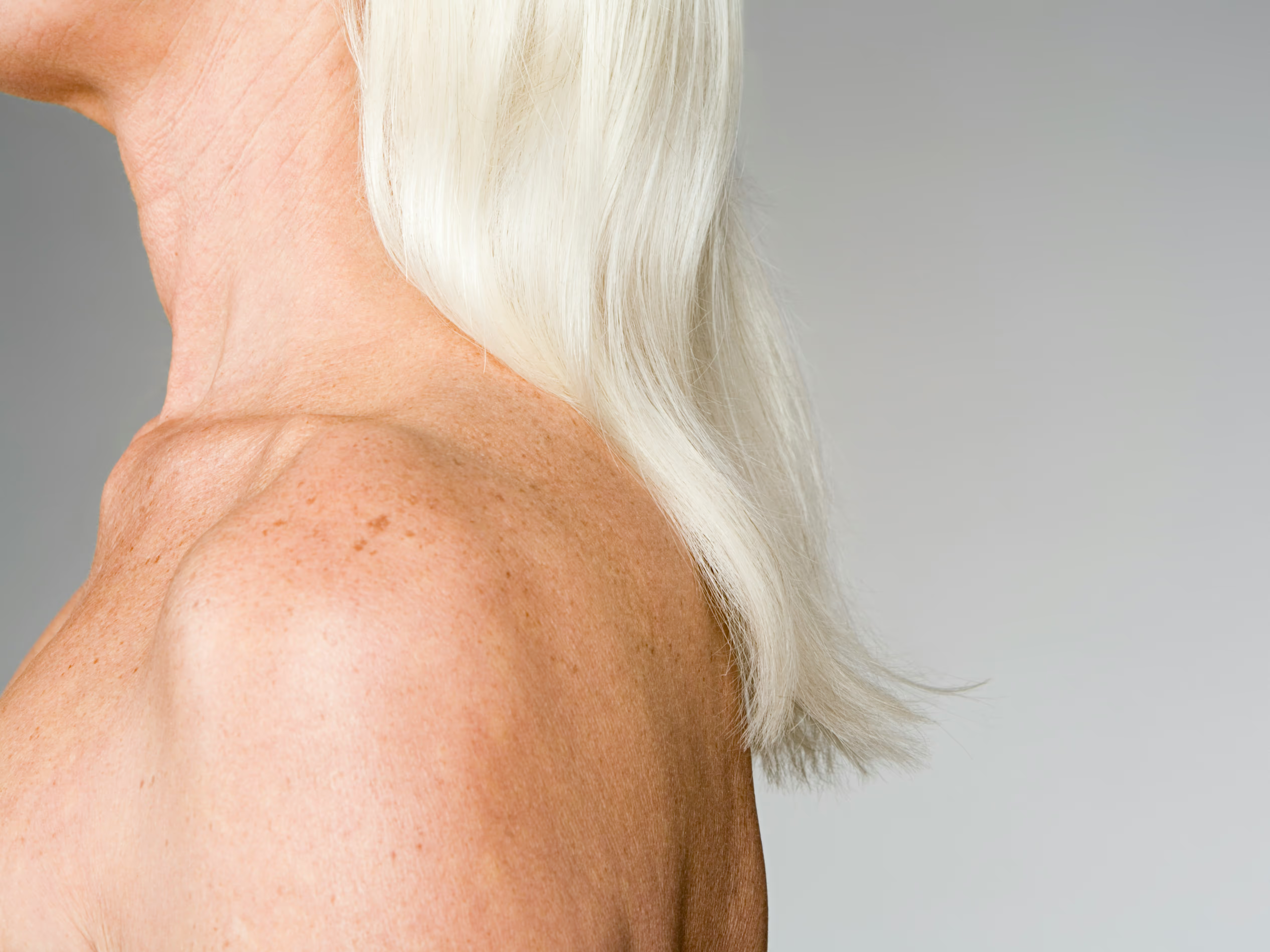
Hormones, Skin Aging and the Menopause: This is how your skin changes and this really helps
- Remove the existing class from the content27_link item to allow Webflow's native current state to be applied automatically.
- To implement interactions that allow sections in the table of contents to expand and collapse, select the content27_h-trigger element, add a trigger, and choose Mouse click (tap).
- For the first click, select the custom animation Content 28 table of contents [Expand], and for the second click, choose the custom animation Content 28 table of contents [Collapse].
- In the Trigger Settings, ensure that all checkboxes are deselected except for Desktop and above to prevent interaction issues on tablet and smaller devices.
Introduction: Skin, a Menopausal Hormonal Reflection
You may already notice it in your reflection: your skin feels different, looks different. Fine lines appear deeper, your skin feels drier and loses its resilience. If you're in your 40s or 50s, chances are these changes aren't just signs of time, but the direct result of the transition. Menopause is a period of intense hormonal shifts that leave their mark on your largest organ: the skin. This is no reason to panic, but an invitation to better understand your skin and give it what it needs right now. In this article, we dive deep into the relationship between hormones, skin aging and menopause. We unravel exactly how your skin changes and, more importantly, what really helps keep it healthy and radiant.
The Great Transformation: Why Transition Hits Skin So Much
The menopause, or menopause, is a natural biological process that marks the end of the menstrual cycle. This phase of life is driven by a fundamental change in your hormonal balance. Because the skin is a highly hormone-sensitive organ, it responds directly to these internal shifts. The cells in your skin, from the epidermis to the deeper dermis, have receptors for hormones like estrogen. When the production of these hormones decreases, their stimulating and protective effects on the skin also decreases.
Why does skin aging often accelerate during menopause?
Skin aging is an ongoing process, but many women experience a clear acceleration during menopause. The reason is the abrupt drop in estrogen, the most important female hormone that plays a crucial role in maintaining youthful skin. Estrogen stimulates the production of collagen and elastin, the proteins that keep skin firm and supple. It also helps produce hyaluronic acid, a substance that retains moisture and provides hydration. When estrogen is lost, this entire support system weakens, making the signs of aging visible more quickly.
What to Expect: An Overview of Skin Changes
The hormonal changes during menopause manifest themselves in different ways in your face and body. The most common complaints are:
- Increasing dryness and thinner skin: The skin barrier weakens and is less able to retain moisture.
- Loss of firmness and elasticity: This leads to sagging and wrinkles.
- Sensitivity and redness: The skin becomes more vulnerable to external influences.
- Enlarged pores and impurities: An altered hormone balance can affect sebum production.
- Pigmentation spots: The skin becomes more sensitive to sun damage.
The Hormonal Rollercoaster: How Hormones Affect Your Skin
To understand skin changes, we need to look at the protagonists in this hormonal play. It's not just the decrease in one hormone, but the changing balance between multiple hormones that determines the condition of your skin.
Estrogen: The Queen of Skin Health and Her Goodbye
Estrogen is the undisputed champion of healthy, youthful skin. This hormone is directly involved in the production of collagen, the 'mattress' that gives your skin volume and firmness. It also stimulates the production of elastin, the “feathers” that provide resilience, and hyaluronic acid for hydration. During the menopause, estrogen production plummets. The consequences of this are significant and scientifically substantiated. Research shows that due to the decrease in estrogen, collagen in the skin decreases by an average of 2.1% annually, while skin thickness decreases by 1.1%. The elasticity decreases by approximately 0.55% annually (The Skin Clinic). This decrease immediately leads to thinner, less firm and wrinkled skin.
Progesterone and Testosterone: The Unusual Supporting Actors
While estrogen falls, the level of male hormones, such as testosterone, remains relatively stable. This creates a “relative dominance” of testosterone. This hormone has a different effect on the skin: it can stimulate the sebaceous glands. The result can be oilier skin, larger pores and even the development of acne later in life, something that surprises many women. Progesterone, another female hormone, also falls during menopause. Although the direct impact on the skin is less clear than that of estrogen, the decrease contributes to the overall hormonal imbalance that causes skin changes.
Cortisol and Thyroid Hormones: Stress and Metabolism on the Skin
The transition can be a stressful period, characterized by symptoms such as hot flushes and trouble sleeping. Stress leads to increased production of the stress hormone cortisol. Chronically elevated cortisol can break down collagen and worsen inflammatory reactions in the skin, causing redness and tenderness. Thyroid function can also change, which affects skin cell metabolism and can contribute to dry, dull skin.
The Hormone System as a Complex System: Connections in the Endocrine System
It's crucial to realize that these hormones don't operate in a vacuum. They are part of the complex endocrine system, where everything is interconnected. The balance between estrogen, testosterone, cortisol and thyroid hormones jointly determines the condition and aging process of your skin during this phase of life.
The Concrete Skin Changes During the Transitional Phases
The transition is not a sudden event, but a process that takes place in stages. Each phase has its own distinctive impact on the skin.
Peri-Menopause: First Signs and Cycle Fluctuations
In the years leading up to the last menstrual period (peri-menopause), hormone levels begin to fluctuate. Estrogen peaks and falls unpredictably. This can lead to troubled skin: one week your skin feels dry and tight, the next week you suffer from impurities. This is often the time when you notice that your familiar skin care is no longer sufficient.
Menopause: The Peaks and Downs More Evenly
Menopause is officially diagnosed one year after the last menstrual period. During this period, estrogen production fell drastically and stabilized at low levels. The accelerated decline in collagen is now most noticeable. The skin becomes visibly thinner, drier and slacker. Lines and wrinkles deepen, especially around the mouth and eyes.
Post-Menopause: Consolidation and Long-Term Effects
In the post-menopause, your body has found a new, low hormonal balance. The skin changes are consolidating. The skin is structurally drier and more vulnerable. The focus is now on supporting and protecting the weakened skin barrier and compensating for the loss of fat, collagen and hydration.
Common Skin Problems Featured:
- Dryness and itching: Due to reduced sebum production and a weaker skin barrier that allows moisture to escape.
- Sagging and loss of volume: Direct result of collagen and elastin degradation. The jawline becomes less tight and cheeks can fall in.
- Sensitivity: Thinner skin is less resistant to irritants and environmental factors.
- Slower wound healing: Cell renewal slows down, causing wounds and scars to recover more slowly.
What Really Helps? A Holistic Approach to Your Skin
Fortunately, you are not powerless against these changes. A strategic and holistic approach, which works from both inside and out, can make a world of difference.
Lifestyle and Nutrition: The Foundation for Healthy Skin
What you eat and how you live has a direct impact on your hormones and skin. A diet rich in antioxidants (from colorful fruits and vegetables), healthy fats (from avocado, nuts and fatty fish) and high-quality proteins is essential for building skin cells. Sufficient hydration by drinking water helps keep skin hydrated from within. Stress management through yoga, meditation, or walking can lower cortisol levels. A good night's sleep is crucial because the skin repairs itself overnight.
Professional Treatments and Cosmetic Dermatology
For those who want more, professional treatments offer effective support. The popularity of cosmetic procedures has increased significantly in recent years. Erasmus MC research shows that between 2019 and 2022, the number of filler treatments increased by 80% and botox treatments even doubled. Treatments such as microneedling can stimulate collagen production, while peels promote cell renewal and address pigmentation. Hyaluronic acid fillers can provide immediate volume recovery. One study in the Journal of Cosmetic Dermatology confirms that a combined approach to injectables and medical skin care provides the most effective results. However, be aware of the risks; in 2022, at a special office hour 350 patients treated for complications after filler injections.
Powerful Skincare: Choosing the Right Ingredients
Your bathroom cabinet deserves an update. Focus on products with active, scientifically proven ingredients that address the specific needs of mature skin:
- Hyaluronic acid: A moisture magnet that can hold up to 1000 times its own weight in water. Essential for hydration.
- Vitamin C: A powerful antioxidant that protects against free radical damage and stimulates collagen production.
- Retinoids (Vitamin A): The gold standard for stimulating cell renewal and collagen production.
- Peptides: Short chains of amino acids that act as signaling substances to encourage the skin to produce more collagen and elastin.
- Ceramides and Niacinamide (Vitamin B3): Strengthen the skin barrier, reduce moisture loss and soothe redness.
Which skin care products are best for menopausal women?
An effective routine for menopausal skin includes a mild, hydrating cleanser, a serum with active ingredients such as vitamin C or peptides, a rich, restorative cream with ceramides and hyaluronic acid, and — the most important step — a daily broad-spectrum sunscreen with at least SPF 30. Regardless of the weather, sun protection is crucial to prevent further collagen breakdown and the development of pigmentation, especially considering that almost 75,000 Dutch people every year being diagnosed with skin cancer.
Myths Debunked and Advice from the Skin Expert
There is a lot of information circulating, but not everything is equally effective. Let's break some myths and focus on what works.
What Doesn't Work (or Is Less Effective) in Transitional Skincare
Aggressive scrubs and cleansers containing hard sulfates further strip the already fragile skin barrier, leading to increased dryness and irritation. Products that are high in alcohol and perfume can irritate sensitive skin. Also, don't rely on miracle creams that promise to make wrinkles disappear overnight. Consistency with proven ingredients is key to success.
The Philosophy of Healthy Aging: Embrace Transformation
The goal isn't to look like 25 forever. The philosophy of “healthy aging” is about embracing the phase of life you're in, with the best possible skin condition. It's about healthy, glowing skin that feels comfortable no matter what age you are. You can achieve this through knowledge, self-care and the right support.
When Do You Seek Professional Advice? The role of a skin expert or cosmetic dermatologist
If your skin problems are persistent, you have severe acne, redness, or are considering professional treatments, consult a skin therapist or dermatologist. They can diagnose and tailor a treatment plan that is tailored to your skin's unique needs.
Conclusion: Your Menopausal Skin, A Journey of Self-Care
The transition is a transformative period that inevitably leaves its mark on your skin. The decline in hormones, especially estrogen, accelerates skin aging and leads to drier, thinner and less elastic skin. But this does not mean that you have lost control. By understanding the processes in your body, you can make targeted choices that actually support your skin.
Summary of Key Points and Best Practices
- The cause is hormonal: The decline in estrogen is the primary cause of accelerated skin aging during menopause.
- The consequences are visible: Expect more dryness, wrinkles, loss of volume and possible impurities due to a changed hormone balance.
- A holistic approach works best: Combine a healthy lifestyle and diet with a powerful, customized skin care routine.
- Focus on the right ingredients: Hyaluronic acid, vitamin C, peptides, and ceramides are your best friends.
- Always protect against the sun: SPF is the most effective anti-aging step you can take.
Empowering Message: Take Control of Your Skin and Well-being
The transition is not an end point, but a new phase. A phase where self-care is more important than ever. By giving your skin attention and the right nutrients, both from inside and out, you take control. You can face these changes with confidence, armed with the knowledge to keep your skin healthy, resilient and radiant, now and in the years that follow.
Lees meer blogs over de Menopauze
Inzicht en inspiratie voor vrouwen


Menovia
Meld je vandaag nog aan