
Menopause and Bone Density: The Complete Guide to Osteoporosis Prevention and Treatment

- Remove the existing class from the content27_link item to allow Webflow's native current state to be applied automatically.
- To implement interactions that allow sections in the table of contents to expand and collapse, select the content27_h-trigger element, add a trigger, and choose Mouse click (tap).
- For the first click, select the custom animation Content 28 table of contents [Expand], and for the second click, choose the custom animation Content 28 table of contents [Collapse].
- In the Trigger Settings, ensure that all checkboxes are deselected except for Desktop and above to prevent interaction issues on tablet and smaller devices.
Introduction: Menopause, Bone Health and the Risk of Osteoporosis
Menopause is a natural and inevitable phase in every woman's life. While symptoms such as hot flushes and mood swings often get attention, a quieter but potentially much more profound change is taking place in the background: the decline in bone density. This change increases the risk of osteoporosis, a condition that makes bones brittle and brittle. Understanding this process is the first, critical step towards protecting your bone health for the rest of your life.
The Changing Woman: Bones in the Menopause
During the menopause, the production of the female hormone estrogen drops drastically. Estrogen plays a key role in the regulation of bone density by inhibiting the activity of cells that break down bone (osteoclasts). When this protective effect is lost, bone loss accelerates considerably. A woman can lose up to 20% of her bone mass in the first five to seven years after menopause. This process, known as osteoporosis, is the direct cause of increased bone fragility.
Why Bone Density Is Important After Menopause
Low bone density is not an abstract medical fact; it has concrete consequences for your quality of life. Brittle bones break more easily, even in the event of a minor fall or impact. A wrist, hip or vertebral fracture can lead to chronic pain, reduced mobility, loss of independence and a significant decrease in overall well-being. Maintaining a strong bone structure is therefore essential to stay active, independent and vital after menopause.
What This Guide Offers You
This guide is designed to provide you with complete and practical information about the relationship between menopause and bone density. We'll dive deeper into what osteoporosis is, how it's diagnosed and, most importantly, what you can do proactively to prevent it. In addition, we discuss the most effective treatment strategies, from lifestyle changes and supplements to the different types of medications available. The goal is to empower you with knowledge so that you can make the best choices for your bone health in consultation with your doctor.
What is Osteoporosis and How Does Menopause Affect Our Bones?
To understand the impact of menopause, it's essential to first know how our bones function. Bone is not a static material, but living tissue that is constantly being renewed.
Bones: A Dynamic System
The human skeleton undergoes an ongoing process of bone remodeling. Special cells, the osteoclasts, break down old bone tissue, while other cells, the osteoblasts, create new bone tissue. In our youth and young adulthood, bone production exceeds degradation, so we reach peak bone mass around the age of 30. After this peak, bone mass slowly begins to decline, as degradation gradually exceeds production.
Osteoporosis Explained: The Silent Bone Rover
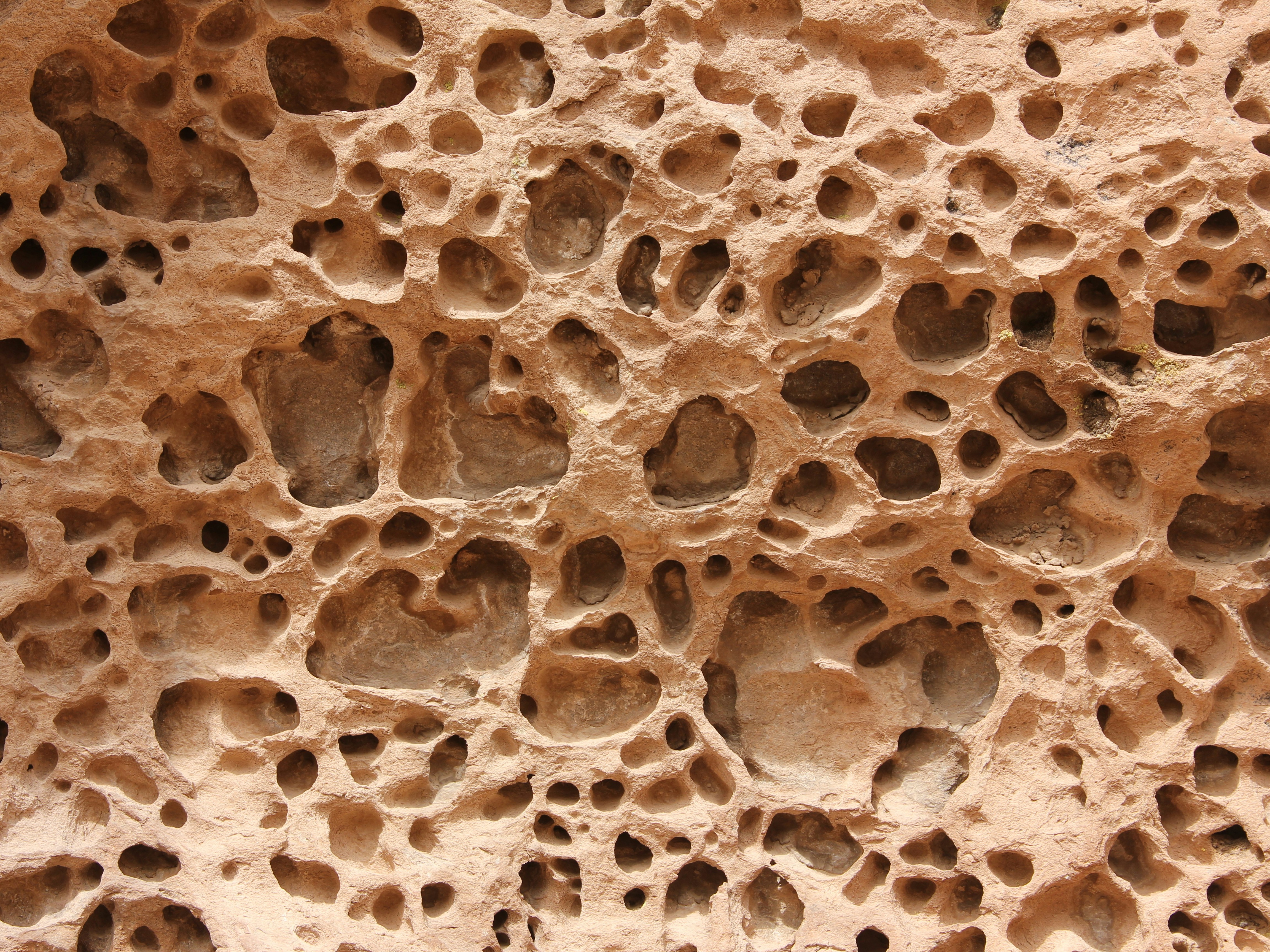
Osteoporosis, literally “porous bone”, is a condition where bone density and quality are reduced to such an extent that the risk of fractures increases sharply. The internal structure of the bone, which looks like a honeycomb, coarsens and the outer shell becomes thinner. As a result, the bones lose their strength. Osteoporosis is often referred to as a “silent illness” because it usually causes no symptoms until a bone fracture occurs.
The Link with Menopause: Estrogen as a Crucial Factor
The sudden and sharp drop in estrogen during menopause upsets the balance in the bone remodeling process. Estrogen acts as a brake on osteoclasts (bone-degrading cells). When estrogen levels fall, these cells become more active and live longer, breaking down more bone than osteoblasts can make. This leads to an accelerated decline in bone density, much faster than the gradual decline associated with the normal aging process.
What Does Bone Decalcification Mean for Menopausal Women?
In concrete terms, osteoporosis means that your skeleton loses its mineral density, mainly calcium. This makes bones weaker and more susceptible to fractures. The most common osteoporotic fractures are those of the wrist, hip, and spine. Spinal swings can lead to a curved posture (the “widow's hunchback”), loss of height and chronic back pain. It's this direct link between estrogen loss and accelerated bone breakdown that makes menopause a critical time for women's bone health.
Risk Factors for Osteoporosis: More Than Menopause
While menopause is the main trigger for accelerated bone loss in women, there are multiple factors that influence the risk of osteoporosis. Knowing these factors helps you assess your personal risk.
Hormonal Changes: The Loss of Estrogen
As discussed, the decline in estrogen is the primary risk factor. Women who have an early menopause (before age 45), either naturally or as a result of surgery (ovarian removal), have a longer period of low estrogen and are therefore at higher risk.
Nutritional Deficiencies: An Underestimated Factor
A diet that is low in essential bone nutrients is a major risk factor. The two most famous ones are:
- Calcium: The fundamental building block of bone tissue. A chronic deficiency forces the body to extract calcium from the bones to support other vital functions.
- Vitamin D: This vitamin is crucial for the absorption of calcium from the intestines. Without sufficient vitamin D the body cannot use calcium from food effectively. Especially in countries with less sunlight, such as the Netherlands, a shortage is common. The most effective form for the body is vitamin D3.
Lifestyle Choices: Smoking, Alcohol, and Inactivity
Your lifestyle has a direct impact on your bone health.
- Smoking: Nicotine has a toxic effect on osteoblasts (bone-building cells) and reduces calcium uptake.
- Excessive alcohol consumption: More than two glasses of alcohol a day can interfere with bone formation and increase the risk of falls.
- Inactivity: Bones become stronger due to stress. A sedentary lifestyle leads to a decrease in bone mass, because the bones miss the signal that they need to stay strong.
Medical Background: Diseases and Medications That Cause Bone Loss (Secondary Osteoporosis)
Sometimes osteoporosis is the result of another medical condition or medication. This is called secondary osteoporosis. Some examples include:
- Medication: Long-term use of corticosteroids (such as prednisone) is a known cause of bone loss.
- Diseases: Conditions such as rheumatoid arthritis, Crohn's disease, and hyperthyroidism (an overactive thyroid) can negatively affect bone density.
Genetic Predisposition and Age
Your genes play an important role. If your parents have osteoporosis or a hip fracture, your deductible is increased. In addition, bone density naturally decreases with age, which increases the risk of osteoporosis as you age.
Osteoporosis Diagnosis: Early Recognition Is Essential
Because osteoporosis often does not cause early symptoms, proactive diagnostics are very important, especially for women after menopause.
When Should You Think About Osteoporosis? Signals and Symptoms
Although osteoporosis is “silent,” there are some late signs that may indicate decreased bone density:
- A bone fracture after a minor fall or impact (a so-called low-energy fracture).
- Unexplained, sudden and severe back pain, possibly due to a collapsed vertebra.
- Length loss of more than 3 centimeters.
- An increasing curvature of the upper back.
If you recognize any of these signs, it is recommended that you contact your doctor.
The Importance of a GP Visit
Your doctor is the first step in the diagnostic process. Based on your risk factors (age, menopause status, family history, lifestyle, medical history), the doctor can assess whether further testing is necessary.
The Bone Density Measurement (DEXA Scan): What It Measures and Why It's So Important
The gold standard for measuring bone density is the DEXA (Dual-Energy X-ray Absorptiometry) scan. This is a quick, painless, and safe procedure that uses low-dose X-rays to measure the mineral density of bones, usually in the hip and lumbar spine. The result is expressed as a T-score. This score compares your bone density with that of a healthy young adult.
- T score above -1: Normal bone density.
- T score between -1 and -2.5: Osteopenia (a precursor to osteoporosis).
- T score of -2.5 or lower: Osteoporosis.
Other Diagnostic Tools
In addition to the DEXA scan, a doctor may do additional examinations such as blood tests to check the levels of calcium and vitamin D to monitor and rule out other medical causes of bone loss. Sometimes, a VFA (Vertebral Fracture Assessment) is also performed during the DEXA scan to look for any vertebral collapses.
Osteoporosis Prevention: Build and Maintain Strong Bones
Prevention is the most effective strategy against osteoporosis. Through a combination of diet, exercise and lifestyle choices, you can significantly support bone health.
Nutrition as a Foundation for Bone Health
A bone-friendly diet is rich in specific nutrients:
- Calcium: Ensure adequate intake through dairy products, green leafy vegetables (such as kale and broccoli), nuts, seeds, and calcium-fortified foods. The recommended amount for post-menopausal women is 1200 mg per day.
- Vitamin D: Essential for calcium uptake. Oily fish (salmon, mackerel), egg yolks and sunlight are important sources. Because sun exposure is often insufficient in the Netherlands, a supplement with vitamin D3 advised.
- Vitamin K: This often forgotten vitamin plays a crucial role. mostly vitamin K2 helps calcium bind to bone tissue and prevents it from accumulating in the blood vessels. Good sources include fermented products such as natto, cheese and cottage cheese.
The Power of Movement: Weight-Bearing Exercises and Strength Training
Bones respond to stress by becoming stronger. Two types of exercise are particularly effective:
- Weight-bearing exercises: Activities where your feet and legs carry your own weight, such as walking, jogging, climbing stairs and dancing.
- Strength training: Exercises with weights, resistance bands or your own body weight not only strengthen the muscles, but also stimulate bone production.
Aim for at least 30 minutes of weight-bearing activity most days of the week, supplemented with two to three sessions of strength training.
Lifestyle Changes: Stop Smoking, Moderate Alcohol and Maintain a Healthy Weight
A healthy lifestyle is a cornerstone of bone prevention. Stop smoking and limit alcohol consumption to a maximum of one glass a day. Both underweight and overweight can be harmful. A healthy weight reduces the strain on the bones and reduces the risk of falls.
Fall Prevention: Reduce Fracture Risk
In addition to strengthening bones, reducing the risk of falling is crucial. Provide a safe living environment (remove loose rugs, make sure you have good lighting), wear sturdy footwear and work on your balance and coordination through exercises such as tai chi or yoga.
Osteoporosis Treatment: Medication and Lifestyle Interventions
When osteoporosis has been diagnosed, treatment is aimed at delaying bone loss and reducing the risk of fractures. This includes a combination of lifestyle interventions and, if necessary, medication.
Drug Treatment: Inhibiting Bone Breakdown and Stimulating Bone Production
Osteoporosis medication can be broadly divided into two categories:
- Bone debilitating medication: This is the most commonly prescribed group. These medications, such as bisphosphonates (e.g. alendronic acid), slow the activity of osteoclasts. As a result, less bone is broken down and the balance between breakdown and production can be restored, leading to a stabilization or slight increase in bone density.
- Bone generation stimulant medication: These drugs, such as teriparatide, work by directly stimulating osteoblasts (bone-building cells). They actively promote the formation of new bone tissue. This bone production stimulant medication is usually reserved for people with severe osteoporosis and a very high risk of fracture.
The choice for a specific medication depends on the severity of the osteoporosis, your medical history and personal preferences, and is always made in consultation with your doctor.
Hormone Replacement Therapy (HRT) as an Option in Menopause
Hormone Replacement Therapy (HST) replenishes the estrogen that the body no longer produces. It is highly effective in preventing bone loss around menopause. However, due to potential risks and side effects, HRT is not prescribed exclusively for osteoporosis. It can be a good option for women who are also seeking treatment for other menopausal symptoms, such as hot flashes.
The Role of Supplements: Calcium and Vitamin D Supplements
Regardless of the drug treatment chosen, an adequate intake of calcium and vitamin D remains the basis. Often, in addition to osteoporosis medication, a doctor also prescribes calcium and vitamin D supplements for. These supplements ensure that the body has sufficient building blocks to increase the effectiveness of the medication to support and optimize bone health.
Conclusion
Menopause marks a significant shift in a woman's bone health, with the decline in estrogen significantly increasing the risk of osteoporosis. This “silent illness” can have serious consequences, but it is far from an inevitable fate. Knowledge is your most powerful tool in protecting your skeletal system.
The key insights from this guide are clear: a proactive approach is essential. This starts with a diet rich in calcium, vitamin D3 and the often underrated vitamin K. Regular weight-bearing and muscle-strengthening exercises give your bones the incentive to stay strong. Should prevention not suffice and osteoporosis be diagnosed, effective treatment options are available, ranging from bone debilitating medication upto bone production stimulant medication, always supported by adequate calcium and vitamin D supplements.
Your next step is to evaluate your personal risk profile and discuss it with your doctor. If necessary, request a DEXA scan to clarify your bone status. By making informed choices now, you are investing in a future with strong bones, mobility and independence. Take control of your bone health; it's the foundation for a vital and active life after menopause.
Lees meer blogs over de Menopauze
Inzicht en inspiratie voor vrouwen


Menovia
Meld je vandaag nog aan