
Transition & Cardiovascular Health

- Remove the existing class from the content27_link item to allow Webflow's native current state to be applied automatically.
- To implement interactions that allow sections in the table of contents to expand and collapse, select the content27_h-trigger element, add a trigger, and choose Mouse click (tap).
- For the first click, select the custom animation Content 28 table of contents [Expand], and for the second click, choose the custom animation Content 28 table of contents [Collapse].
- In the Trigger Settings, ensure that all checkboxes are deselected except for Desktop and above to prevent interaction issues on tablet and smaller devices.
Introduction: The Invisible Link Between Transition and Heart
The menopause is a phase of life that is often associated with hot flashes, mood swings and sleep problems. Although these symptoms can be drastic, a quieter but much larger change is happening in a woman's body: the impact on her cardiovascular health. For the millions of women who are in this phase — according to an estimate of WOMEN Inc. and Motivaction there are around 1.8 million in the Netherlands alone — it is crucial to understand this invisible link. This article delves deeper into the relationship between the transition and the heart, and offers concrete tools to proactively take care of your health.
What Transition Means for Women
The transition, medically known as menopause and the period around it (perimenopause), marks the end of the fertile phase of life. It is a natural process that usually starts between the ages of 45 and 55. The production of the female hormones estrogen and progesterone by the ovaries gradually decreases, leading to the cessation of menstruation. This hormonal shift is the driver behind the well-known menopausal symptoms, but the effects go far beyond just well-being. The transition is a tipping point for overall health.
Why Cardiovascular Health Now Deserves Extra Attention
Before menopause, women generally have a lower risk of cardiovascular disease than men of the same age. This benefit largely disappears after the transition. The protective effect of estrogen is lost, which can increase risk factors such as high blood pressure and an unfavorable cholesterol profile. Because cardiovascular disease is a major cause of death among women — according to the Heart Foundation 1 in 5 women dies as a result — it is essential to give heart health priority, especially in this phase of life.
Hormonal Changes: The Crux of the Matter for Your Heart
The hormonal roller coaster from premenopause to postmenopause has direct and profound effects on the cardiovascular system. Understanding these mechanisms is the first step towards effective prevention.
Estrogen: The Protective Role and Its Loss
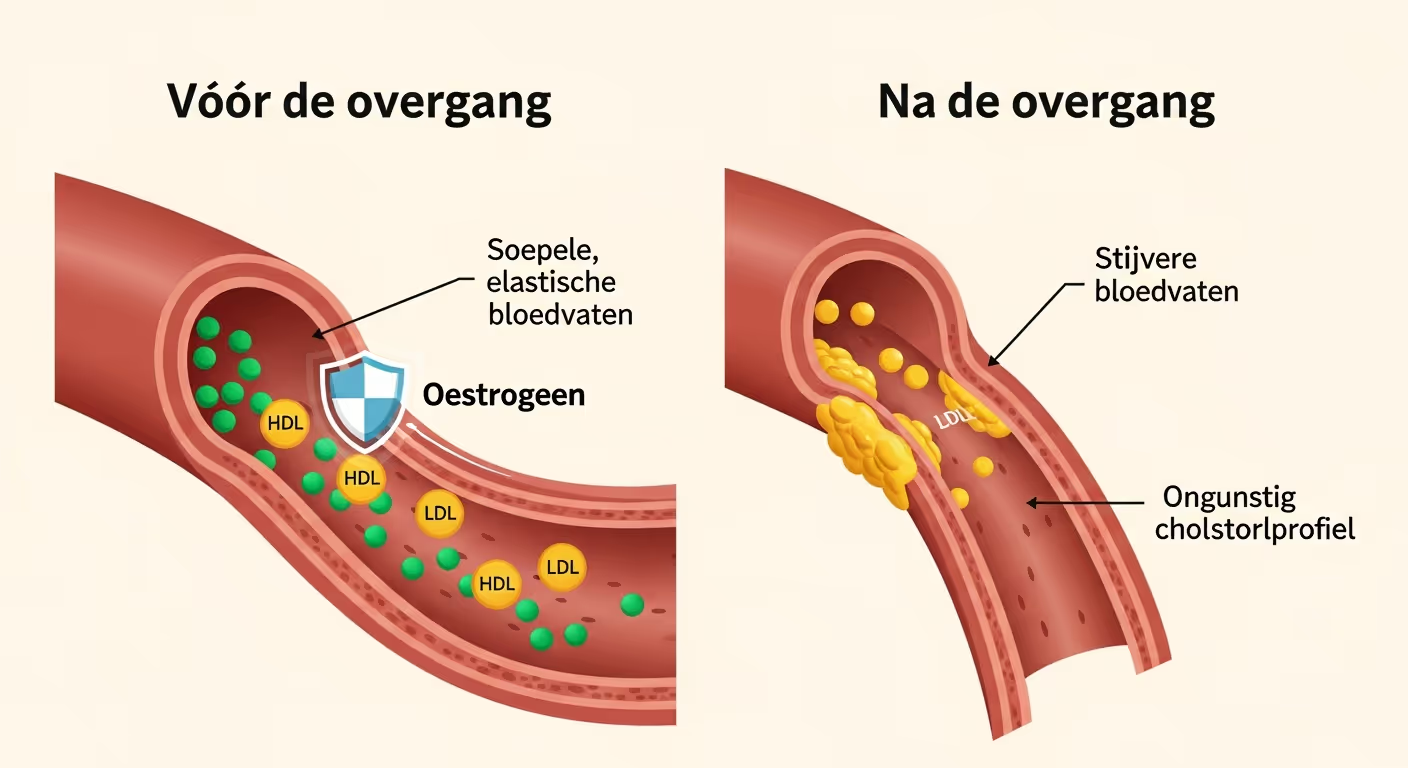
The decrease in estrogen during menopause affects blood vessels and cholesterol levels, increasing the risk of cardiovascular disease.
Estrogen is the most important player in protecting women's hearts. This hormone has several beneficial effects. It helps keep the inner lining of the blood vessels (the endothelium) supple and elastic, which promotes healthy blood flow. In addition, estrogen has a positive influence on cholesterol levels: it helps increase “good” HDL cholesterol and lower “bad” LDL cholesterol. When estrogen levels plummet during menopause, this natural protection disappears. This loss is so significant that research shows a strong correlation between early menopause and increased risk of heart problems, as shown by a study of more than 300,000 women reported by Mirror.
Impact on Blood Vessels, Cholesterol and Blood Pressure
The loss of estrogen leads to concrete physiological changes. The blood vessels become stiffer and less flexible, which can cause blood pressure to rise. The ratio between HDL and LDL cholesterol often shifts in an unfavorable direction, which increases the risk of arteriosclerosis (atherosclerosis). Triglycerides, another type of fat in the blood, may also increase. This combination of factors creates an environment in which cardiovascular diseases can develop more easily.
The Hormone Orchestra: Progesterone, Cortisol, and Adrenaline
Although estrogen plays the leading role, it is not the only hormone important. The decrease in progesterone also has an influence. Progesterone has a calming effect and contributes to a good night's sleep. A decline can lead to sleep problems and increased irritability. Poor sleep and chronic stress trigger the production of stress hormones such as cortisol and adrenaline, which raise heart rate and blood pressure and put extra strain on the heart in the long term.
Women's Heart: Specific Risks and Symptoms
The female heart is different and responds differently to disease processes. The symptoms of heart problems are often more subtle in women and are therefore sometimes misunderstood, both by the woman herself and by healthcare providers.
Cardiovascular Diseases Specific to Women
Women more often than men experience atypical myocardial infarction symptoms, such as extreme tiredness, shortness of breath, dizziness, nausea, or pain in the back, neck, or jaw, instead of the classic pressing chest pain. This can lead to delayed diagnosis and treatment.
Microvascular Dysfunction (INOCA/ANOCA) and SCAD
There are disorders that are more common in women. Microvascular dysfunction (also known as INOCA/ANOCA) is a condition where the smallest blood vessels around the heart do not function properly, which can cause chest pain without significant constrictions in the major coronary arteries. Spontaneous coronary artery dissection (SCAD), a tear in the wall of a coronary artery, is also more common in women, particularly around the menopause.
Recognition of Heart Problems During the Menopause
The challenge during the transition is that many symptoms overlap. Heart palpitations, dizziness and a feeling of tightness can be attributed to hot flashes or anxiety, which are typical menopausal symptoms. However, it is crucial to be alert and seek medical advice in the event of persistent or worrying complaints to rule out a cardiac cause.
Early Signs from the Reproductive Phase: Pregnancy Complications as an Indicator
Health during childbearing years may be a predictor of future cardiovascular risk. Women who have experienced complications during pregnancy, such as high blood pressure (pre-eclampsia) or gestational diabetes, are at increased risk of developing cardiovascular disease later in life, especially after menopause.
The Power of Lifestyle: Proactively Working on Your Heart
Fortunately, you are largely in control. A healthy lifestyle is the most powerful weapon for protecting your heart during and after the transition.
Food as Medicine: The Mediterranean Diet and More
A diet rich in vegetables, fruits, whole grains, legumes, nuts and healthy fats (such as olive oil and oily fish) has been proven effective. This Mediterranean diet helps lower blood pressure and cholesterol and has an anti-inflammatory effect. Limit intake of processed foods, red meat, sugar, and salt.
Movement: More than Just Muscles
Regular exercise is essential. A combination of cardio training (such as walking, cycling or swimming) and strength training is ideal. Cardio strengthens the heart and improves circulation, while strength training helps maintain muscle mass and combat osteoporosis (osteoporosis), another condition that is accelerated by loss of estrogen.
Sleep and Stress Management: The Indispensable Pillars
Chronic stress and poor sleep are disastrous for the heart. Prioritize a good night's sleep and find ways to manage stress. Techniques such as mindfulness, yoga, meditation, or simply spending time in nature can lower stress hormone production and improve heart rate variability.
Weight Gain and Fat Distribution: A Focus
During the menopause, the distribution of fat in the body often changes. Fat is stored more around the abdomen rather than on the hips and thighs. This belly fat is metabolically more active and produces substances that increase the risk of heart disease, high blood pressure and type 2 diabetes. A healthy lifestyle helps control this process.
Medical Options and Support: A Trade-off
In addition to lifestyle changes, there are medical options that can be considered in consultation with a doctor.
Hormone Therapy (HT): New Insights and Considerations
Hormone therapy (HT) can effectively alleviate menopausal symptoms. The relationship with cardiovascular health is complex and depends on the timing, type and form of administration. Starting with HT at the beginning of menopause seems to be neutral or even slightly protective of the heart for many healthy women. Transdermal (dermal) administration is generally preferred over tablets. Personal advice from a doctor is essential here.
Blood Pressure and Cholesterol Management: Transitional Specific
Have your blood pressure and cholesterol levels checked regularly. If these are increased, lifestyle adjustments are the first step. If insufficient, medication may be necessary to keep the values within a healthy range and to reduce the risk of cardiovascular disease.
The Role of Targeted Supplementation
Some supplements can be supportive, such as magnesium for blood vessel relaxation, omega-3 fatty acids for a healthy cholesterol profile, and vitamin D and calcium for bone health. Always consult a doctor before taking supplements.
Listen to Your Body and Seek Expert Advice
The most important message is to be proactive and become your own health advocate.
The Importance of Regular Audits and Open Communication
Take your complaints seriously and discuss them openly with your doctor or a specialist healthcare provider. Regular preventive checks of blood pressure, cholesterol and blood sugar are crucial to detect risk factors in time.
Specialized Care and Research Initiatives
More and more attention is being paid to women's hearts and the specific risks during the transition. Specialized menopause clinics and cardiologists with a focus on women can provide targeted care and advice.
Strong Together: Empowerment and Knowledge Sharing
Talk to other women, share experiences and knowledge. By breaking the taboo around the transition, women can support and empower each other to make the best possible choices for their health.
Conclusion: A Healthy Heart Through Every Stage of Your Life
The transition is a transformative period that requires a renewed focus on your health. The decline in hormones undoubtedly increases the risk of cardiovascular disease, but this is not an inevitable fate. By understanding the changes in your body and making conscious choices in terms of diet, exercise, sleep and stress management, you can protect your heart powerfully.
Take the first step today: schedule a check-up with your doctor, evaluate your lifestyle, and don't be afraid to ask for help or advice. The transition is not the end, but the beginning of a new phase where, with the right knowledge and care, you can live a long and heart-healthy life.
Lees meer blogs over de Menopauze
Inzicht en inspiratie voor vrouwen



Menovia
Meld je vandaag nog aan