The transition and your cardiovascular health: Essential insights for every woman

The transition and your cardiovascular health: Essential insights for every woman
The menopause is a natural and inevitable phase of life, but its impact goes far beyond stopping menstruation and experiencing hot flashes. For every woman, this period marks a crucial turning point in overall health, especially for the heart and blood vessels. For years, the female hormone estrogen has provided powerful, natural protection. When its production decreases, this shield disappears and the risk of cardiovascular diseases considerable. This is not an afterthought, but a central health issue that concerns every woman in the transition phase.
The unique connection between hormonal changes and cardiovascular health
The hormonal fluctuations during the transition form the core of the increased risk. The decrease in estrogen directly affects the flexibility of the blood vessels, the regulation of cholesterol and blood pressure. The hormonal system that controlled the menstrual cycle for years is fundamentally changing. This has a chain reaction on the cardiovascular system. Understanding this complex connection is the fundamental first step to proactively protecting your heart and safeguarding your cardiovascular health in the long run.
The importance of early knowledge and proactive care
Cardiovascular diseases are the leading cause of death among women worldwide, and the transition is the critical time when prevention becomes essential. Waiting for complaints to arise is often too late. By now proactively gaining knowledge about the risks, learning to recognize the signals and understanding which options are available, you can take the right steps in time. A conscious lifestyle, combined with regular consultations with your doctor, can make a world of difference for you cardiovascular health. Now is the time to take control.
What to expect in this article: a guide to your cardiovascular health
This article serves as a comprehensive and in-depth guide. We dive into the physiology of the transition, unravel the specific risks for women's hearts and offer concrete, scientifically based tools for prevention and management. From lifestyle interventions to the latest insights into medical options such as hormone therapy, we discuss scientific evidence in a clear and accessible way. The goal is to inform and empower you so that you can take control of your health.
The Transition Explained: A High-Impact Hormonal Shift
The term “menopause” covers the entire period of hormonal changes around the last menstrual period. This transition is not a sudden event, but a gradual process that affects a woman's health in many ways. It cardiovascular system is one of the most vulnerable systems here, which was previously protected by the same hormones.
Definition and phases: From premenopause to postmenopause
The transition can be divided into several, often overlapping phases that are relevant to peri- and post-menopausal women:
- Perimenopause (or premenopause): Premenopause is the period when hormone levels, especially estrogen and progesterone, fluctuate. The menstrual cycle becomes more irregular. This phase can last several years and is often where the first symptoms, such as hot flashes or trouble sleeping, appear.
- Menopause: This is not a period, but a specific moment: the day of the very last menstruation. This can only be determined afterwards, after twelve consecutive months without bleeding.
- Postmenopause: This is the phase of life that begins after menopause. The ovaries hardly produce estrogen anymore and hormone levels remain structurally low. In this phase, the long-term effects, such as those on bone density and cardiovascular health, become most evident.
The critical role of estrogen in cardiovascular health
Estrogen is much more than just a reproductive hormone; it is a key player in protecting the cardiovascular system. This hormone has several beneficial effects:
- Healthy blood vessels: Estrogen helps keep endothelial cells (the inner lining of the blood vessels) supple and elastic. It promotes the production of nitric oxide, a substance that dilates the vessels and supports healthy blood flow.
- Beneficial cholesterol profile: It has a positive influence on the cholesterol profile by raising “good” HDL cholesterol and lowering “bad” LDL cholesterol.
- Blood pressure regulation: It helps regulate blood pressure and reduce inflammatory reactions in the vascular wall.
When this natural protection disappears after menopause, it becomes cardiovascular system more vulnerable to arteriosclerosis (atherosclerosis), the underlying cause of many cardiovascular diseases.
Women's Heart in Transition: Specific Risks and Mechanisms
The loss of estrogen after menopause exposes the heart and blood vessels to a range of new challenges. The risks that were previously lower than those of men are now rapidly beginning to catch up. This is due to direct physiological changes that significantly affect the condition of the cardiovascular system.
Direct impact of hormonal changes on the cardiovascular system
The decline in estrogen has concrete and measurable consequences. Blood vessels become stiffer and less flexible, which increases the risk of high blood pressure enlarged. Lipid metabolism changes, so that LDL cholesterol and triglycerides (other fats in the blood) tend to rise, while protective HDL cholesterol decreases. In addition, the distribution of fat in the body changes: fat is more likely to be stored around the abdomen (visceral fat), which is a known independent risk factor for cardiovascular disease. This combination of factors provides an environment in which cardiovascular diseases can develop more easily.
Female-specific menopausal cardiovascular disorders
Cardiovascular diseases can manifest differently in women. In addition to the classic angina pectoris (chest pain due to narrowing of the major coronary arteries), women are more likely to suffer from conditions that are less known:
- Microvascular angina: This is chest pain caused by problems in the smallest blood vessels in the heart. These are often not visible on a standard cardiac catheterization, so that the diagnosis can be missed.
- SCAD (Spontaneous Coronary Artery Dissection): This is a tear in the wall of a coronary artery, which is not caused by arteriosclerosis. It predominantly affects women, often in the period around menopause, and is associated with hormonal influences.
- Takotsubo cardiomyopathy (“broken heart syndrome”): Another risk is “broken heart syndrome” (Takotsubo cardiomyopathy). This is a sudden, temporary weakening of the heart muscle. It is more common in postmenopausal women. Severe stress can trigger it.
Menopausal symptoms and the link with heart problems
Common menopausal symptoms are not only annoying, but can also signal an increased cardiovascular risk. Scientific research shows that frequent and intense hot flashes, in particular, are associated with a less favourable condition of the blood vessels and higher blood pressure. Sleep problems and heart palpitations are common during the menopause. They can negatively affect cardiovascular health. This occurs due to an increased stress response and disruption of the body's ability to recover. It is therefore important to take these complaints seriously.
Recognize the Signals: When do you worry?
It is crucial to know which signs may indicate heart problems, especially because the symptoms in women are often more subtle and atypical than the classic “elephant on the chest”. Knowledge about these signals enables you to get the right medical help in a timely manner.
Common heart problems during menopause
During the menopause, women can experience symptoms that look like menopausal symptoms but actually have a cardiac cause. Look out for symptoms such as unusual and extreme tiredness, shortness of breath during exercise that you were previously able to cope with, pain between the shoulder blades, upper back, neck, jaw, or stomach, and irregular heartbeat or palpitations. These symptoms, especially in combination with dizziness, nausea or sweating, always deserve serious attention and a quick medical evaluation.
The importance of risk assessment and medical evaluation
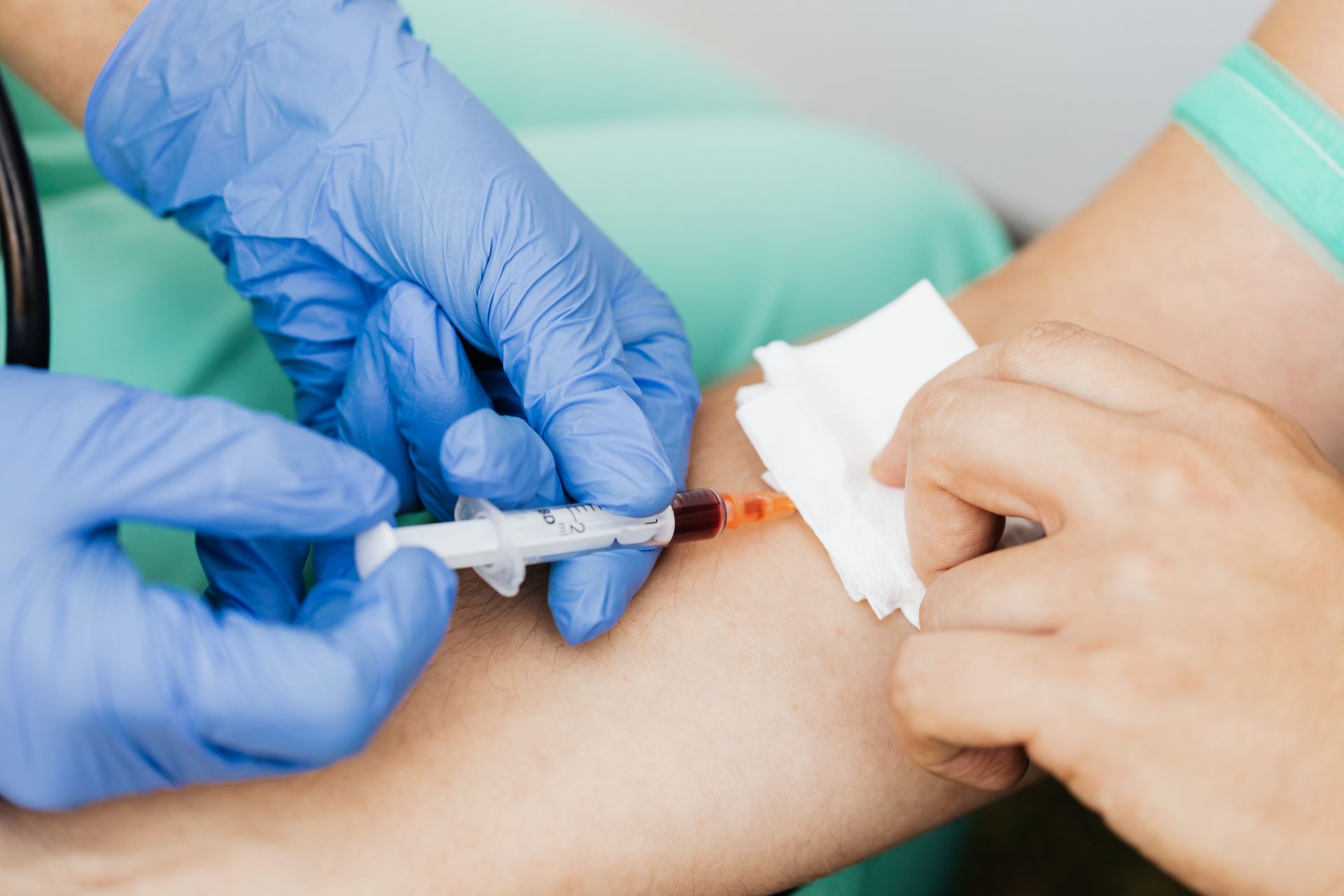
A proactive approach to your cardiovascular health starts with insight into your personal risk profile. Factors such as a family history of heart disease, high blood pressure during pregnancy, smoking, diabetes, or obesity increase your risk. Have your doctor regularly check your blood pressure, cholesterol and blood sugar, especially from the start of the perimenopause. A doctor can make a full risk assessment and advise you on personalized preventive measures.
Empower Your Heart: Lifestyle Interventions for Optimal Cardiovascular Health
Fortunately, you are largely in control of your heart health. A healthy lifestyle is the most powerful tool for reducing and managing the risks associated with the transition. These adjustments are not only good for your heart, but also improve your overall well-being, reduce menopausal symptoms and increase your quality of life.
Food as medicine: Heart-friendly choices during the transition
Nutrition is a fundamental pillar for a healthy heart. Focus on a Mediterranean diet, rich in unprocessed foods: vegetables, fruits, whole grains, legumes and nuts. Healthy fats from extra virgin olive oil, avocado, and fatty fish (such as salmon, mackerel, and herring) are essential for healthy blood vessels. Limit salt intake to control your blood pressure, and avoid saturated and trans fats that are common in processed snacks, cookies, and fast foods. Sufficient fiber also helps regulate your cholesterol and blood sugar levels.
Exercise for a strong heart: More than just cardio training
Regular exercise strengthens the heart muscle, improves circulation, helps with weight control, and lowers blood pressure. A combination of cardio training (at least 150 minutes per week, such as brisk walking, cycling, or swimming) and strength training (twice a week) is ideal. Cardio training improves the condition of your heart and blood vessels, while strength training maintains muscle mass, supports metabolism and helps prevent osteoporosis.
Stress management and sleep quality: Essential for a vital heart
Chronic stress and poor sleep are disastrous for your cardiovascular health. Stress increases cortisol production, which can increase blood pressure and heart rate. Sleep deprivation disrupts the hormone balance and the body's recovery. You can incorporate relaxation techniques such as yoga, meditation, or breathing exercises into your daily routine. Maintain consistent sleep hygiene by going to bed at regular times and creating a soothing evening routine. A good balance in the brain substance serotonin, which regulates mood and sleep, is also important here and can be positively influenced by lifestyle.
Hormone Therapy (HT): A Consideration for Cardiovascular Health?
Hormone therapy (HT), supplementing the hormones taken, is a topic about which there is much debate and misinformation. Although primarily intended to alleviate serious menopausal symptoms, the impact on the cardiovascular health also studied intensively, with increasingly clear insights.
The scientific discussion: benefits and risks of HT
The scientific consensus has evolved significantly in recent years. The interpretation of the major 2002 WHI study, which caused a lot of anxiety, is now obsolete. The current consensus, as set out in the Global Consensus Statement on Menopausal Hormone Therapy and endorsed by organizations like the North American Menopause Society (now) The Menopause Society) and the European Menopause and Andropause Society, is much more nuanced. The most important insights are:
- Timing is crucial: Starting HT within ten years of menopause (“window of opportunity”) appears to have a neutral to mild protective effect on the heart.
- Type of hormone is essential: There is a big difference between bioidentical hormones and older synthetic variants. Bioidentical hormones (such as estradiol) and in particular bioidentical progesterone in the form of micronized progesterone) have a more favourable risk profile, in particular with regard to the risk of thrombosis and the impact on blood pressure.
When is HT an option? Indications and contraindications
HT is primarily considered for women with moderate to severe menopausal symptoms that significantly affect their quality of life. It is not a standard preventative treatment for cardiovascular diseases. There are important contraindications, such as a history of hormone-sensitive breast cancer, thrombosis, or liver disease. The decision to start with HT is therefore always an individual consideration of the benefits against the risks.
Consult with your medical specialist: A tailored decision
Choosing hormone therapy is a personal decision that you should always make with a well-informed doctor or gynecologist. A specialist can assess your personal risk profile. He or she will discuss the different options with you. This is how you determine the best and safest treatment for your situation together. Open communication and regular follow-up are essential here.
Beyond Hormones: Other Medical Interventions and Support
In addition to lifestyle and possible hormone therapy, there are other medical interventions that are crucial for monitoring and supporting your cardiovascular health during and after the transition. These are an integral part of a proactive health plan.
Treatment of High Blood Pressure and Cholesterol
Because a high blood pressure and high cholesterol levels are common after menopause, regular monitoring is very important. If lifestyle changes are not effective, your doctor may prescribe medication. Blood pressure lowering drugs and cholesterol lowering drugs (statins) help to manage these important risk factors. They reduce the risk of a heart attack or stroke. Strictly following this treatment is essential for your long-term health.
Other supplements: Vitamin D and Calcium for overall health
Although not primarily focused on the heart, supplementation with vitamin D and calcium essential for the overall health of menopausal women. They play a crucial role in maintaining strong bones and preventing osteoporosis. A healthy skeleton supports an active lifestyle, which indirectly contributes to a better cardiovascular health. Recent research also suggests a possible link between an adequate vitamin D status and a lower risk of cardiovascular problems. Always consult with your doctor whether supplementation is necessary for you.
The role of the general practitioner and medical specialists
Your doctor is your first point of contact and the coordinator of your care. He or she can monitor your blood pressure and cholesterol, advise on lifestyle and refer you to one of the medical specialists if necessary, such as a cardiologist or gynecologist. Be proactive in discussing your concerns and symptoms. Good, open collaboration with your healthcare providers is the key to effective and personalized health management.
Sharing Knowledge and Finding Strength: Resources and Community
You are not alone in this important phase of life. Access to reliable information and sharing experiences with others can be an enormous source of support, recognition, and strength in a world of conflicting messages.
Reliable sources of information and experts
In the era of social media it is crucial to be critical of the information you consume. Find information from reliable sources such as the Heart Foundation, Thuisarts.nl, and patient associations. The growing attention to this topic, partly thanks to the so-called The Menopause Revolution, provides more qualitative information. Certified transition counselors and specialist gynecologists are experts. They can give you scientifically based and personal advice that suits your situation. The medical science does not stand still, and initiatives such as the National Women's Health Strategy and a National consortium for research into female-specific disorders, contribute to increasingly better care. Experts like dr. Chahinda Ghossein-Dohaga play an important role in increasing knowledge about this.
The Power of Community and Shared Experiences
Sharing experiences with other women can help enormously. It breaks the taboo and the sense of isolation that sometimes surrounds the transition. Online forums, local support groups, or simply open conversations with girlfriends can provide recognition, understanding, and practical tips. By combining knowledge and experiences, women can empower each other to get through this important phase of life healthy, informed and confident, with a strong heart as an absolute priority.
Conclusion
The transition is a transformative phase that offers a unique opportunity to reprioritize your health. The decline in estrogen undeniably increases the risk of cardiovascular disease, but this is not an inevitable fate. Knowledge is your most powerful weapon. By understanding the mechanisms, recognizing your body's subtle signals, and acting proactively, you can significantly reduce the risks.
The most important steps you can take today are:
- Know your risk: Have your blood pressure, cholesterol, and blood sugar checked regularly and discuss your family history with your doctor.
- Embrace a heart-friendly lifestyle: Focus on nutrition, exercise, stress management and sleep. This is the basis of prevention.
- Be informed about treatment options: Don't shy away from talking about modern, bioidentical hormone therapy if you have symptoms. Discuss the pros and cons with an expert based on the latest scientific insights.
- Find reliable information: Avoid misinformation on social media and consult medical specialists and reputable health organizations.
Take control of your cardiovascular health. By making conscious choices now, you are investing in a long, vital and healthy future. Your heart deserves that attention.
This information is intended as an educational resource and does not replace medical advice, diagnosis, or treatment. If you have symptoms or questions about your personal situation, we recommend consulting a doctor.
Free guide: menopause, a broader perspective
The menopause is about more than just hot flashes. In our free menopause guide, our doctors explain the hormonal changes happening in your body, the symptoms you might not immediately associate with it, and the treatment options available. Written in plain language and medically backed.
Read more blogs about the menopause

Menovia
Sign up today