
Weight Loss (GLP-1)
Medical support for stubborn weight gain, always alongside hormone therapy and lifestyle.
What is this treatment
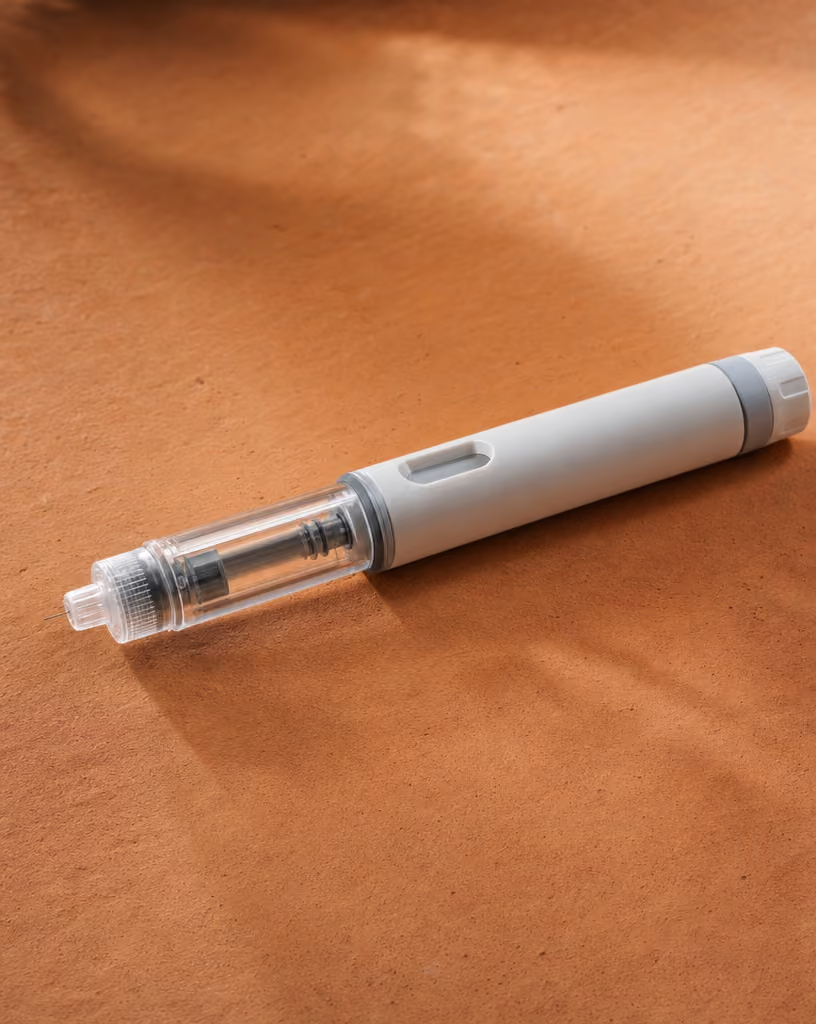
GLP-1 medications mimic a hormone that's naturally produced in your gut after eating. They send your brain a satiety signal, slow gastric emptying, and improve insulin sensitivity. You administer them yourself as a small injection under the skin, once a week, using a pre-filled pen.
When is this suitable?
GLP-1 only comes into the picture when lifestyle and hormone supplementation don't provide enough improvement. That's a deliberate order. Weight gain during menopause is primarily the result of hormone loss and systemic inflammation, and hormonal adjustment takes time: it depends on your individual sensitivity, genetic variants, gut health, sleep, and stress. For some women, GLP-1 offers worthwhile additional support during that period, under strict medical supervision.


Why this approach
The effect goes beyond weight loss. GLP-1 reduces visceral fat, the inflammation-promoting fat around your organs, which leads to lower inflammatory cytokines, better glucose regulation, an improved lipid profile, and less cardiometabolic risk. Scientific research also shows that postmenopausal women who combine GLP-1 with hormone therapy lose significantly more weight than women who use GLP-1 alone, with simultaneous improvement in metabolic markers.
What it delivers
Less visceral belly fat
Better insulin sensitivity
Lower inflammatory activity
Stronger effect in combination with hormone therapy
How it works in practice
Blood testing and metabolic assessment
First we map out what's happening metabolically: glucose, insulin, HbA1c, and your hormone levels. You don't start without that picture.
Medical assessment
The doctor assesses whether GLP-1 is appropriate in your situation, and discusses the conditions around protein intake, strength training, and monitoring.
Building up the dosage
You start with a low dose that's built up step by step. You give the injection yourself, once a week, with a pre-filled pen.
Monthly monitoring and adjustment
Every month you have a consultation with a doctor and fill in the MRS questionnaire beforehand. We repeat blood testing every 12 weeks. We track not just your weight, but especially your body composition via bio-impedance measurement or a DEXA scan, so we can see whether you're losing fat and not muscle mass.
Frequently asked questions
What women most often ask about GLP-1 at Menovia:
What's the difference between semaglutide and tirzepatide?
Semaglutide is available as Ozempic and Wegovy: the same molecule, but Wegovy is registered at a higher dose specifically for weight management. Tirzepatide goes a step further and activates the GIP receptor, a second gut hormone, alongside the GLP-1 receptor. In studies, this dual action leads to more weight loss with a more favorable side-effect profile.
How is it administered?
It's a small injection under the skin of the belly, thigh, or upper arm, using a pre-filled pen similar to an insulin pen. You administer it yourself, once a week.
Can I combine this with hormone therapy?
Yes, and that's a point of attention. GLP-1 slows gastric and intestinal emptying, which can affect the absorption of oral medication, including oral hormone supplementation. That's why blood-level monitoring is especially relevant with this combination.
What does it do to my gut?
In practice, we actually see the opposite of what you might expect. Both clinically and in research, most women show improvement in gut symptoms and microbiome composition, including an increase in protective bacteria such as Akkermansia.
Monitoring and adjustment
GLP-1 requires tighter supervision than most treatments. A consultation every month, blood testing every 12 weeks. That's why:
You fill in the MRS questionnaire every month and discuss your progress with a doctor

We measure your body composition, not just your weight
We repeat blood testing every 12 weeks and monitor your blood levels
Conditions for muscle and bone preservation
GLP-1 significantly reduces appetite. The sharp drop in calorie intake that results carries a risk that's especially relevant during menopause: loss of muscle and bone mass. These are already under pressure from hormonal changes, and GLP-1 adds an extra risk factor on top of that. Muscle and bone mass largely determine your resting metabolism, and are also key for fall risk, fracture risk, cognition, and long-term glucose regulation. That's why we set three conditions for GLP-1 use: at least 1.2 to 1.6 grams of protein per kilogram of body weight per day, strength training two to three times a week preferably guided by a trainer with knowledge of menopause, and regular monitoring of your body composition via bio-impedance measurement or a DEXA scan.
Fixed care process
With intake, blood testing, and optional microbiome, DNA, and DUTCH test
Medical assessment by experienced doctors
Exclusively bio-identical hormones
When hormonal treatment is appropriate
Personal guidance and continuous monitoring
Scientifically grounded approach
Tailored to your body

Other treatments


Experiences from other women
Start with personal hormonal guidance
Want to find out whether hormone therapy is right for you and what your body needs during menopause? Schedule an intake consultation with Menovia.
At Menovia, you are at the center. We guide you carefully and transparently, so you can make well-informed choices about your hormonal health.
Bio-identical hormone therapy (BHRT) can be an effective and safe way to relieve menopause symptoms. By using hormones your body already knows, we help you restore your hormonal balance and improve your quality of life.
At Menovia, we offer comprehensive, tailored treatment to reduce your symptoms during menopause. Through proven hormone therapy, supplements, and lifestyle advice, we help you feel energetic and balanced again during menopause. You don't have to go through this period alone — we're here to support you, every step of the way.