Estradiol gel or patch: what is the difference
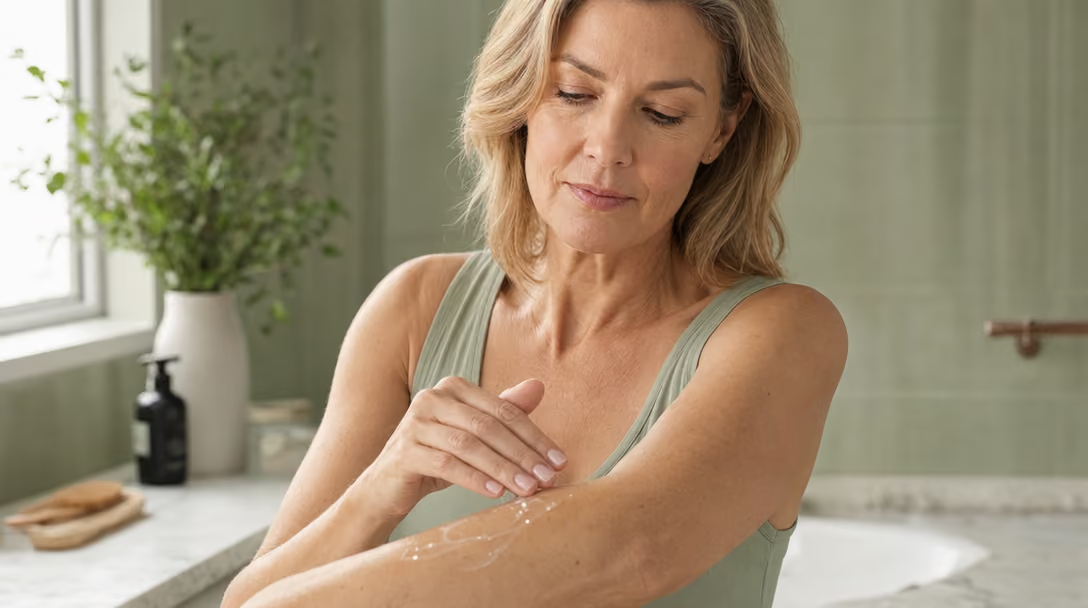
Estradiol gel and the estradiol patch are both transdermal forms of estrogen: you absorb the hormone through the skin, so it largely bypasses the first pass through the liver. That matters, because in research this transdermal route is associated with a lower risk of venous thrombosis than estrogen taken as a tablet. The difference between gel and patch therefore does not lie in how well the hormone works, but in how you apply it, how flexibly the dose can be adjusted, and what suits your skin and your day. Which form is right for you is something you decide together with a registered doctor.
In short
- Gel and patch are both transdermal and largely bypass the first pass through the liver; estrogen in tablet form does not.
- Transdermal estrogen is associated in research with a lower clot risk than oral estrogen. Not a guarantee, but an important difference.
- The patch releases the hormone evenly over several days; the gel is applied daily and gives more room to fine-tune the dose.
- Skin irritation with the patch, and washing too soon after the gel, are the most reported practical points; both can often be resolved with small adjustments.
- If you still have a uterus, a progestogen belongs alongside the estrogen to protect the uterus. The exact form and dose is decided by your doctor.
What is the difference between estradiol gel and the patch?
Both forms deliver the same hormone, estradiol, through the skin into the bloodstream. The distinction lies in the rhythm of release. A patch releases the estradiol gradually while it stays on the skin, usually for several days, and so keeps the level fairly stable. You apply the gel again each day to clean, dry skin, which means the level can fluctuate a little more around the moment you apply it.
That daily application also has an advantage: your doctor can adjust the amount of gel gradually if your blood values or complaints call for it. With a patch, the release per patch is fixed. Which of the two fits better depends mainly on whether you prefer a set change moment or a daily routine. The amount of estradiol is always determined individually by the doctor.
Is the gel or the patch safer?
For clot risk, the choice between gel and patch probably makes little difference: both are transdermal and bypass the first pass through the liver. That is the point that matters most. In a meta-analysis, the risk of venous thrombosis with oral estrogen was roughly almost twice as high, while transdermal estrogen showed no clear rise above the background risk (JCEM meta-analysis, 2015). The British menopause guideline therefore advises considering transdermal estrogen for women with an increased clot risk (NICE NG23).
This does not mean transdermal estrogen is without risk for everyone. Your personal risk also depends on age, weight, smoking and your medical history. That is why a doctor weighs these factors before you start, and chooses the form and dose together with you. If you want to know what to look for when arranging this online, read our explanation of a hormone therapy clinic in menopause.
What does the choice mean for your skin and daily routine?
Skin irritation at the site of the patch happens more often than irritation from the gel, because the adhesive stays in the same place longer. So keep changing the spot and let the skin rest before you use the same place again. If you get persistent redness or itching, do not keep applying it, but talk to your doctor.
Exercise, sweating, swimming and the sauna play a role with both forms. A patch can loosen when you perspire a lot; press the edges down well after applying and choose a spot with few skin folds. After applying gel, it is best to wait a while before showering or swimming, so the skin can absorb the hormone. In practice we see that small adjustments to the routine resolve most of these inconveniences.
Not sure whether the gel or the patch suits your situation? The choice is tied to your wider health and lifestyle, and that context can help you make a well-founded decision together with a doctor. Download the free guide →
Do you also need a progestogen with estrogen?
If you still have a uterus, a progestogen almost always belongs alongside estrogen. Estrogen on its own can cause the lining of the uterus to grow, and a progestogen protects against that (systematic review, progestogen and endometrium). This applies whether you receive the estrogen through a gel or a patch. If your uterus has been removed, a progestogen is usually not needed.
Which progestogen, in which form and dose, is a medical decision your doctor makes based on your situation. We deliberately do not give a dosing schedule here, because that is tailored to the individual.
When to see a doctor
Always consult a doctor before you start estrogen therapy or switch forms. In addition, get in touch promptly if you notice the following:
- A painful, warm or swollen calf or leg, possibly a sign of thrombosis.
- Sudden shortness of breath or chest pain; call emergency services right away.
- Unexpected vaginal bleeding, especially if you had not menstruated for some time.
- Persistent skin reactions, severe headache or other complaints that worry you.
Frequently asked questions
Does the gel or the patch work better against hot flashes? Neither is better by definition; the effect against hot flashes depends mainly on the right dose and not on the form. Skin sensitivity, daily routine and your blood values also help decide the choice.
Can estradiol gel cause thrombosis? Transdermal estrogen, such as a gel or patch, is associated in research with a lower clot risk than oral estrogen, because the liver is largely bypassed. That is not a guarantee; your own risk factors always count.
How often do you replace an estradiol patch? That differs by type of patch and ranges from several times a week to once a week. Your doctor will indicate which type and which schedule suit you.
Can you switch from gel to patch? Yes, switching is possible, for example at a check-up if the first form does not suit you well. Always discuss a switch with your doctor, so the dose can be reviewed again.
Is bio-identical estradiol the same as synthetic estrogen? No. Bio-identical hormones have the same molecular structure as the hormones your body makes itself. In the E3N study, bio-identical (micronized) progesterone was associated with a more favourable breast cancer profile than synthetic progestogens (E3N-EPIC cohort).
Sources
- NICE. Menopause: identification and management (NG23). National Institute for Health and Care Excellence. nice.org.uk
- Mohammed K, et al. Oral vs Transdermal Estrogen Therapy and Vascular Events: A Systematic Review and Meta-Analysis. J Clin Endocrinol Metab, 2015. academic.oup.com
- ACOG. Postmenopausal Estrogen Therapy: Route of Administration and Risk of Venous Thromboembolism. acog.org
- Fournier A, et al. Breast cancer risk in relation to different types of hormone replacement therapy in the E3N-EPIC cohort. Int J Cancer, 2005. pubmed.ncbi.nlm.nih.gov
- Mendoza N, et al. Progestogens for endometrial protection in combined menopausal hormone therapy: a systematic review. Best Pract Res Clin Obstet Gynaecol. sciencedirect.com
This information is intended as an educational resource and does not replace medical advice, diagnosis, or treatment. For complaints or questions about your personal situation, we recommend consulting a doctor.
Free guide: menopause, a broader perspective
The menopause is about more than just hot flashes. In our free menopause guide, our doctors explain the hormonal changes happening in your body, the symptoms you might not immediately associate with it, and the treatment options available. Written in plain language and medically backed.

Read more blogs about the menopause
Menovia
Sign up today