
Stopping Hot Flashes: What Does Science Say?

Stopping hot flashes doesn't have to mean months of guessing which approach works. This article lays out the route: blood testing, lifestyle changes, and bio-identical hormone therapy are always used simultaneously at Menovia, not one after another.
In short
Hot flashes affect 70 to 80% of women and occur because declining estrogen levels disrupt thermoregulation in the hypothalamus. For many women, vasomotor symptoms persist for five to ten years, and for some even longer. Bio-identical hormone therapy, under the guidance of a BIG-registered doctor, is the treatment with the most consistent effect in clinical research, with improvement often noticeable within 4 to 6 weeks. At Menovia, we always use hormone therapy, lifestyle changes, and supplements simultaneously, not trying lifestyle first and only then hormones. Everything starts with blood testing, so the dosage is based on your hormone profile, not a standard schedule.
Why this matters
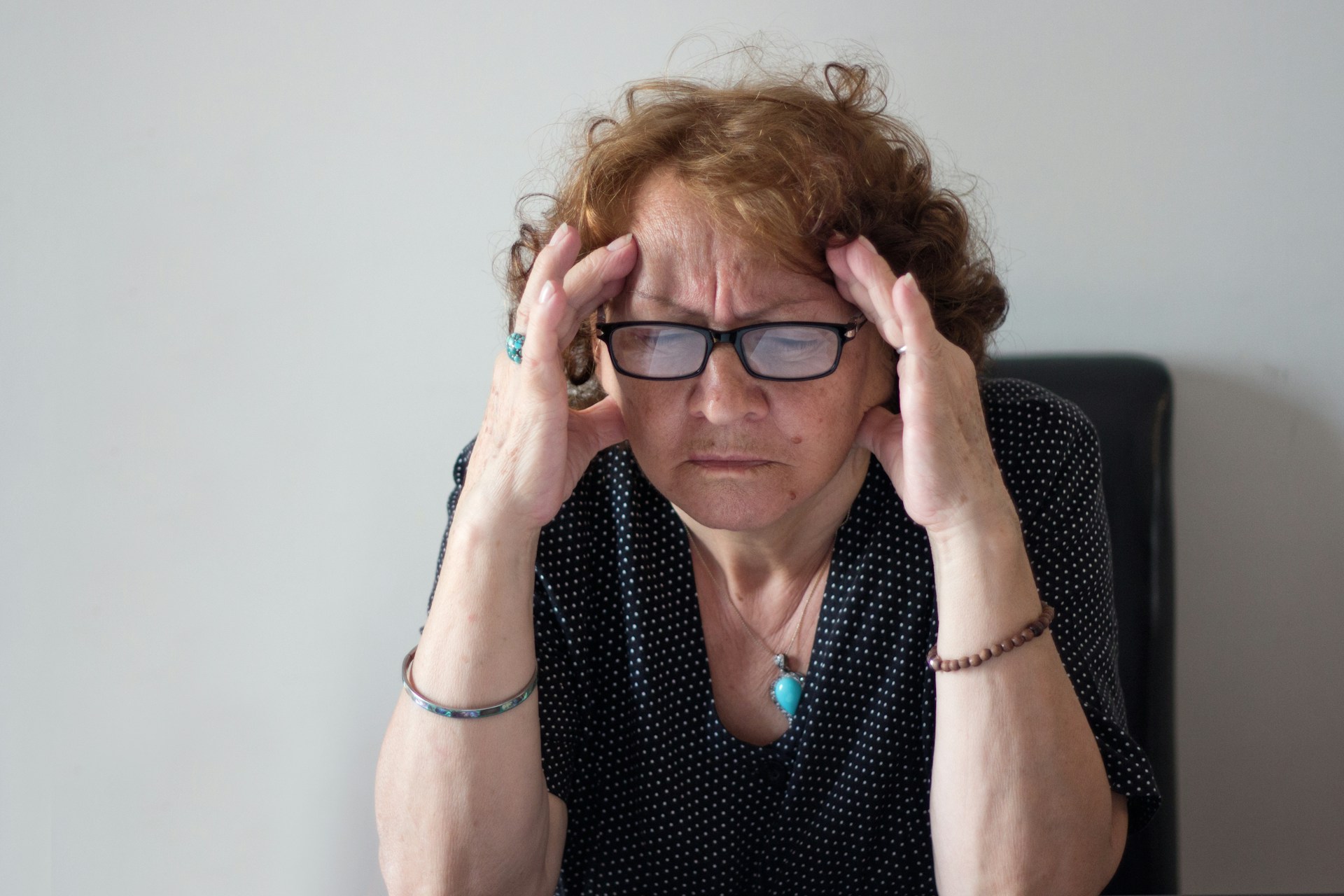
Hot flashes aren't just an inconvenience. Vasomotor symptoms are linked to disrupted sleep and can contribute to concentration problems, because night sweats disrupt the sleep cycle and chronically poor sleep in turn affects cortisol, insulin sensitivity, and mood.
Estrogen levels decline irregularly during perimenopause, and those fluctuations, not necessarily the eventual deficiency, disrupt temperature regulation in the hypothalamus. That mechanism is why symptoms are often more intense in perimenopause than in postmenopause: hormone levels fluctuate strongly, rather than being stably low.
What you need
- Insight into your hormone levels: blood testing gives a concrete picture of estrogen and progesterone; a DUTCH test adds cortisol rhythm and hormone metabolites to that
- Time: expect at least 4 to 6 weeks before you can properly assess the effect of a change
- A diary or app to note triggers such as caffeine, alcohol, and stress
- Access to a BIG-registered doctor if you're considering hormone therapy. This isn't an over-the-counter product.
- Realistic expectations: not every approach works for everyone, and combinations are often needed
The steps
1. Test your hormone levels
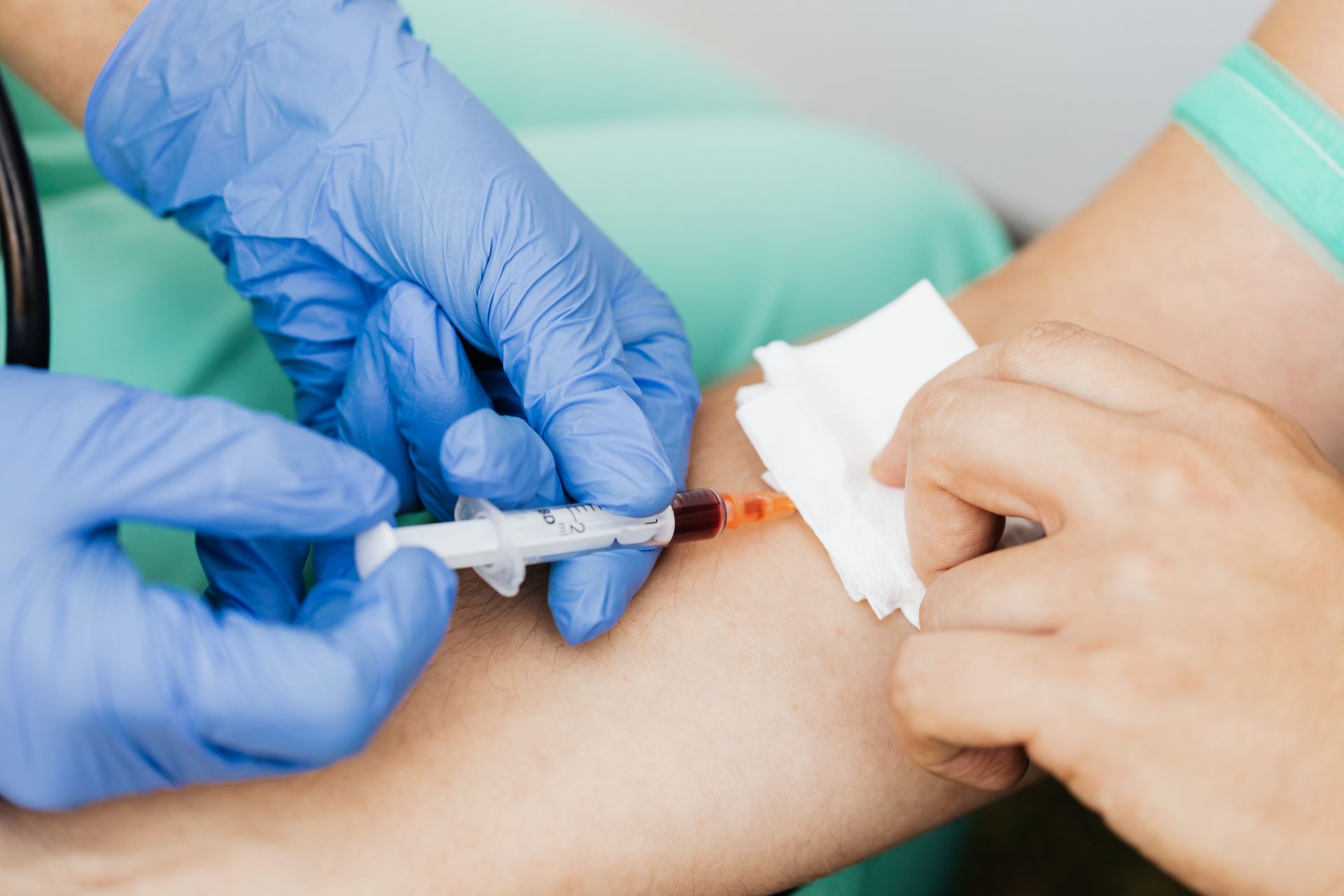
Blood testing maps out estradiol and progesterone; a DUTCH test adds cortisol rhythm to that. This is the foundation for every treatment plan. Without this data, you don't know whether your symptoms fit a normal perimenopause fluctuation or a sharp decline that calls for therapy. At Menovia, every program starts with this diagnostic step, regardless of which package you choose.
Common mistake: starting hormone therapy without prior testing, so dosing happens by feel instead of by the numbers.
2. Start an integrated treatment plan: hormone therapy and lifestyle at the same time
Based on your blood values, your doctor draws up a treatment plan that includes hormone therapy and lifestyle changes simultaneously. Bio-identical hormone therapy (BHRT), preferably delivered transdermally with bio-identical progesterone, has, according to reanalyses of research following the 2002 WHI study and the French E3N study, a more favorable risk profile than was assumed at the time for the synthetic variants used in that study. For hot flashes, this is the intervention with the most consistent effect in clinical research.
At the same time, you apply lifestyle changes: reduce caffeine and alcohol intake, lower the bedroom temperature, and dress in layers. These changes reinforce the effect of hormone therapy. They don't replace it, and hormone therapy doesn't replace them. One isn't a condition for the other; they're used together.
The effect of hormone therapy usually appears within 4 to 6 weeks, with further improvement over a few months. Lifestyle changes can make a difference within 1 to 2 weeks, especially for nighttime hot flashes. All of this happens under the guidance of a BIG-registered doctor, who adjusts dosage based on blood values and symptoms.
Common mistake: trying lifestyle alone for months before considering hormone therapy, while hot flashes disrupt your sleep and functioning in the meantime.
3. Map out your triggers
Track for two weeks when hot flashes occur and what preceded them. Caffeine, alcohol, spicy food, warm rooms, and stressful moments are often mentioned as triggers. This produces a concrete list you can use to make more targeted adjustments, as part of the broader treatment plan.
Common mistake: concluding too quickly that stress is the only cause, when alcohol or a too-warm bedroom plays just as much of a role.
4. Look at non-hormonal alternatives
If hormone therapy isn't medically possible, for example with a contraindication, low-dose SSRIs/SNRIs have been studied as an alternative for hot flashes. The effect in clinical trials is generally less strong than with hormone therapy. Here too: this is a choice to discuss with a doctor, not to start on your own.
Common mistake: seeing these medications as more casual because they aren't hormones. Side effects such as drowsiness or nausea do occur.
5. Build in stress reduction structurally
Cortisol is produced from the same hormonal precursor as the sex hormones. Cortisol overproduction from chronic stress can therefore contribute to a progesterone deficiency, a process called 'progesterone steal,' in which the shared precursor is preferentially routed to cortisol production.
Breathing exercises and mindfulness can dampen the cortisol spike that can trigger or worsen hot flashes. What works best differs by person: yoga, meditation, being outdoors, social connection, and enough recovery time are often mentioned. This isn't a replacement for hormone therapy, but a supportive measure used alongside it.
Common mistake: only using this during a hot flash, instead of preventively as a daily routine.
6. Track your progress and adjust
Repeat the hormone test after some time and compare it with your symptom diary. A doctor can adjust the treatment based on this data, both the hormone therapy and the lifestyle changes.
Common mistake: continuing with an approach that isn't working, purely because you've already started.
Troubleshooting
Hot flashes persist at night despite changes. This can point to a stronger hormonal fluctuation than is visible during the day. Discuss with your doctor whether a DUTCH test, which maps out the cortisol rhythm across the day, can give additional insight, and whether your hormone therapy dosage needs adjusting.
Hormone therapy still isn't working after 6 weeks. Discuss with your doctor whether the dosage needs to be reviewed. Titration usually happens step by step, in increments of 4 to 6 weeks.
You're already using other medication, such as thyroid medication or antidepressants. Hormone therapy can interact with these medications; estrogen, for example, affects the availability of thyroid hormone via TBG. Extra monitoring of blood values is then standard.
Hot flashes return after stopping therapy. When you stop, hormone levels readjust to the natural situation, which means symptoms can gradually return. A step-by-step taper under medical guidance is therefore standard.
You're not sure if it's hot flashes or something else (thyroid, heart palpitations). Blood testing for thyroid values can give clarity, since thyroid symptoms and menopause symptoms overlap strongly.
Non-hormonal options for hot flashes
Not everyone can or wants to use hormones. With a contraindication, for example a history of hormone-sensitive breast cancer, or simply out of personal preference, there are non-hormonal options that can reduce hot flashes. The honest picture: the effect is on average smaller than with hormone therapy, and the evidence varies widely by option. Below we lay them out, from lifestyle to prescription medication.
Adjusting lifestyle and triggers
A logical first step is limiting known triggers. Caffeine, alcohol, spicy food, warm rooms, smoking, and stress are mentioned most often. Smoking is linked in research to more frequent and more intense hot flashes, so quitting can help. Weight matters too: randomized research shows that weight loss can reduce hot flashes in women with overweight. Practical cooling helps in the short term: dressing in layers, a lower bedroom temperature, and a fan next to the bed. You can read more in our article on the role of lifestyle alongside hormone therapy.
Breathing, mindfulness, and behavioral therapy
Slow, paced breathing is often recommended, but the hard evidence is weak: larger studies show no clear effect on the frequency of hot flashes. As a relaxation technique it can still feel pleasant and reduce the tension around a hot flash. Better supported are cognitive behavioral therapy and clinical hypnosis: these don't so much reduce the hot flash itself, but rather how much it bothers you and how well you sleep.
Nutrition, sage, and herbs
There are many claims and little hard evidence around nutrition and herbal supplements. Phytoestrogens, plant compounds with a weak estrogen-like action such as from soy, show mixed results in research: some studies find a small effect, others none. For sage (Salvia officinalis), the evidence is limited and of low quality. Red clover shows at most a modest effect in more recent analyses, with mixed outcomes; we discuss this separately in our article on red clover during menopause. If you want to try any of these, do so with realistic expectations and discuss it with your doctor, especially alongside other medication.
Non-hormonal prescription medication
If hormones aren't possible or aren't wanted, a doctor may consider non-hormonal medication. These are prescription options, not self-care, and the choice and dosage always belong with a doctor. For education, not as advice:
- Certain antidepressants in low doses (SSRIs and SNRIs, such as venlafaxine or paroxetine) have been studied for hot flashes and can reduce their frequency. The effect is usually smaller than with hormone therapy, and side effects such as nausea or drowsiness can occur.
- Gabapentin, a medication also used for nerve pain, can reduce hot flashes and is sometimes used in the evening because of its effect on sleep.
- Fezolinetant, a newer NK3 receptor antagonist, acts directly on the temperature-regulation center in the brain and is approved in Europe for moderate to severe hot flashes associated with menopause.
Which option fits depends on your health, other medication, and preferences. In practice we see that this calls for a conversation with a doctor, not something to start on your own.
Tools and resources
- Blood testing or a DUTCH test for hormone levels and cortisol rhythm
- A symptom diary (app or notebook)
- Guidance from a BIG-registered doctor for hormone therapy
- At Menovia, this process is part of a program of at least six months, with monthly consultations, the MRS questionnaire, and blood testing every 12 weeks
What now
If hot flashes have been affecting your sleep, work, or mood for a while, a structured program with blood testing is a logical next step. At Menovia, each of the three programs (Basis, Plus, Compleet) starts with an intake and targeted blood testing, followed by a personal treatment plan that combines hormone therapy and lifestyle. See the options at menovia.nl.
Frequently asked questions
What helps fastest against hot flashes? A combined approach of bio-identical hormone therapy and lifestyle changes, used together based on blood testing, gives the most consistent effect, usually noticeable within 4 to 6 weeks. Lifestyle changes such as a cooler bedroom can make a difference within 1 to 2 weeks, while hormone therapy needs a bit more time to fully take effect.
Is hormone therapy safe for hot flashes? Transdermal bio-identical hormone therapy with bio-identical progesterone has, according to reanalyses of research following the 2002 WHI study, and the French E3N study, a more favorable risk profile than was assumed at the time. Individual risks are always first ruled out by a doctor.
How long do hot flashes typically last? For many women, hot flashes persist for five to ten years, and for some longer. That's one of the reasons early assessment is relevant instead of waiting it out.
What's the difference between hot flashes and night sweats? Hot flashes and night sweats are the same mechanism, except the latter occurs at night and disrupts sleep more directly. Both respond to the same interventions.
Can stress make hot flashes worse? Yes, a cortisol spike from stress can increase the frequency and intensity of hot flashes, partly through cortisol's effect on progesterone production. Breathing exercises and mindfulness can dampen this effect.
Do I need to do blood testing before starting hormone therapy? Yes, blood testing or a DUTCH test forms the basis for a responsible dosage. Without this data, a doctor doesn't start hormone therapy by feel.
Do hot flashes stop completely with hormone therapy? For many women, hot flashes noticeably decrease during treatment. Complete disappearance isn't guaranteed, and the effect varies by person. This is something to discuss with your doctor based on your own response.
What can I do about hot flashes without hormones? There are several non-hormonal options: limiting triggers (caffeine, alcohol, smoking), cooling, weight loss if you have overweight, cognitive behavioral therapy, and by prescription SSRIs/SNRIs, gabapentin, or the NK3 blocker fezolinetant. The effect is on average smaller than with hormone therapy, and you discuss the choice with a doctor.
Does sage help against hot flashes? For sage (Salvia officinalis), the evidence is limited and of low quality. Some women experience benefit, but a clear effect hasn't been demonstrated. Discuss use with your doctor, especially if you take other medication.
Do caffeine or coffee affect hot flashes? Caffeine is often mentioned as a trigger that can set off or intensify a hot flash. The effect varies by person; a symptom diary helps you see whether cutting back makes a difference for you.
In conclusion
An important insight: hot flashes are often more intense in perimenopause than in postmenopause, precisely because hormone levels fluctuate strongly during that time rather than being stably low. Those who get blood testing early and start an integrated treatment plan, hormone therapy and lifestyle together, can save themselves a longer period of sleep loss and concentration problems.
This information is intended as an educational resource and does not replace medical advice, diagnosis, or treatment. If you have symptoms or questions about your personal situation, we recommend consulting a doctor.
Free guide: menopause, a broader perspective
The menopause is about more than just hot flashes. In our free menopause guide, our doctors explain the hormonal changes happening in your body, the symptoms you might not immediately associate with it, and the treatment options available. Written in plain language and medically backed.

Read more blogs about the menopause
Menovia
Sign up today