
GLP-1 and Menovia: How We Use It in Your Program
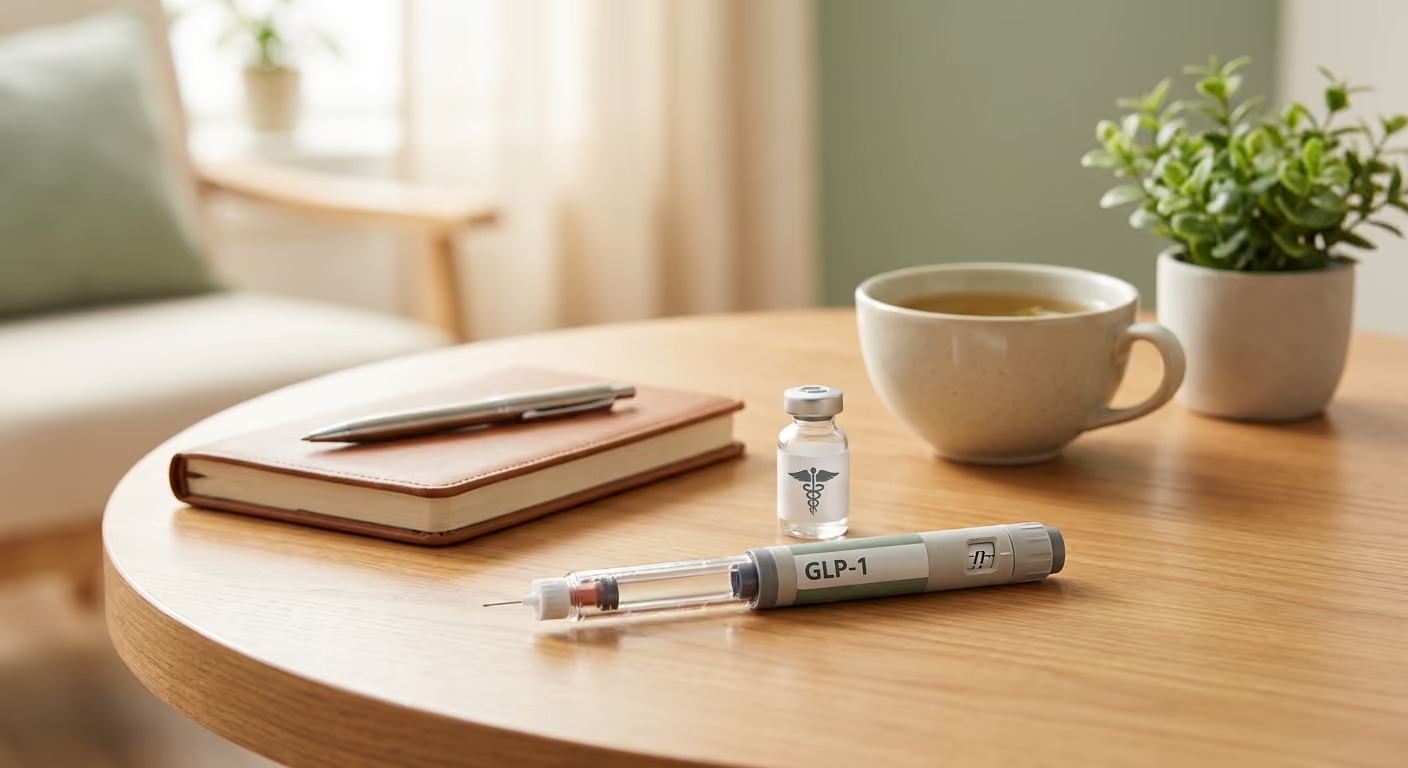
At Menovia, we understand that the hormonal system never operates in isolation. That also applies to weight gain during menopause. The decline of estrogen, progesterone, testosterone, and DHEA disrupts your metabolism on multiple fronts at once: fat storage shifts to the belly and around the organs, muscle and bone mass decrease, and insulin sensitivity worsens. For some women, hormone supplementation and lifestyle changes aren't enough to break this pattern. In those cases, GLP-1 medication, under strict medical supervision, can be a worthwhile additional step within your program.
In short
GLP-1 medication such as semaglutide and tirzepatide can be an additional step at Menovia when hormone supplementation and lifestyle don't provide enough results for weight gain during menopause. It's never used as a standalone intervention, but always in combination with bio-identical hormone therapy, which itself already supports insulin sensitivity, muscle mass, and fat distribution. Conditions include adequate protein intake, strength training, and regular monitoring of body composition, to protect muscle and bone mass. Blood testing and consultations are part of your regular program, with blood testing every 12 weeks. Advice: discuss during the intake whether GLP-1 medication fits your symptoms, history, and blood values, rather than seeing it as a separate choice.
Why we never use GLP-1 on its own
GLP-1 medications such as semaglutide (Ozempic, Wegovy) and tirzepatide (Mounjaro, Zepbound) mimic a hormone naturally produced in the gut after eating. They increase satiety, slow gastric emptying, and improve insulin sensitivity. Their effect goes beyond weight loss: they reduce visceral fat, leading to a better lipid profile, better glucose regulation, and less cardiometabolic risk.
Scientific research has shown that postmenopausal women who combine GLP-1 medication with hormone therapy lose significantly more weight than women using GLP-1 medication alone, with simultaneous improvement in metabolic markers. That's exactly why we never prescribe it at Menovia as a standalone intervention: hormone therapy itself already supports insulin sensitivity, muscle mass, and fat distribution, and thereby strengthens the effect of GLP-1 rather than the two working separately.
How we determine whether it's right for you
Our program always starts with personalized diagnostics, not a prescription. Through blood testing, and depending on your program also DNA testing, a thyroid and metabolism panel, and microbiome testing, our BIG-registered doctors map out what's specifically going on for you: hormone levels, insulin sensitivity, thyroid function, and inflammation markers such as hsCRP. Only based on that complete picture, combined with your symptom pattern and previous weight-loss attempts, does the doctor discuss whether GLP-1 medication is a suitable addition alongside your bio-identical hormone therapy.
The conditions we set
GLP-1 medications significantly reduce appetite, and the sharp drop in calorie intake that results carries a risk that's especially significant during menopause: loss of muscle and bone mass, which are already under pressure from hormonal changes. That's why we always set the following conditions when using GLP-1:
- At least 1.2 to 1.6 grams of protein per kilogram of body weight per day
- Strength training 2 to 3 times a week, preferably guided by a trainer with knowledge of menopause
- Regular monitoring of body composition via bio-impedance measurement or DEXA scan
- Extra attention to blood-level monitoring of your hormone therapy, since GLP-1 medication slows gastric and intestinal emptying and can therefore affect the absorption of oral medication
This monitoring is part of your program's regular consultations: monthly for Basis, more extensive for Plus and Compleet, with blood testing every 12 weeks.
Part of one coherent plan
The reason integrated care works better isn't simply that more is measured. It's that all findings, from your hormone levels to your microbiome to your response to previous interventions, are interpreted together and translated into one coherent plan. GLP-1 medication at Menovia is therefore never a standalone prescription, but a considered part of your personal treatment plan, drawn up and monitored by a doctor who understands the physiology of menopause.
Want to know whether GLP-1 medication could be a worthwhile addition in your situation? We discuss that during the intake, based on your symptoms, history, and blood values.
Frequently asked questions
Can I get GLP-1 medication separately from hormone therapy at Menovia?
No, at Menovia GLP-1 medication is always used as an addition to bio-identical hormone therapy, never as a standalone intervention. Hormone therapy itself already supports insulin sensitivity and fat distribution, which strengthens the effect of GLP-1.
What conditions does Menovia set when using GLP-1 medication?
Adequate protein intake (1.2 to 1.6 grams per kilogram of body weight per day), strength training 2 to 3 times a week, and regular monitoring of your body composition, to protect muscle and bone mass during weight loss.
How often is my blood level checked during GLP-1 use?
Blood testing takes place every 12 weeks, along with monthly or more extensive consultations depending on your program. This is especially important because GLP-1 medication can affect the absorption of oral medication, including hormone therapy.
Which program is GLP-1 medication best suited to?
GLP-1 medication can be part of any program when the doctor considers it appropriate, based on your blood values, symptom pattern, and previous weight-loss attempts. It's always assessed individually during the intake.
This information is intended as an educational resource and does not replace medical advice, diagnosis, or treatment. If you have symptoms or questions about your personal situation, we recommend consulting a doctor.
Free guide: menopause, a broader perspective
The menopause is about more than just hot flashes. In our free menopause guide, our doctors explain the hormonal changes happening in your body, the symptoms you might not immediately associate with it, and the treatment options available. Written in plain language and medically backed.

Read more blogs about the menopause

Menovia
Sign up today