Joint pain during menopause: what really helps?
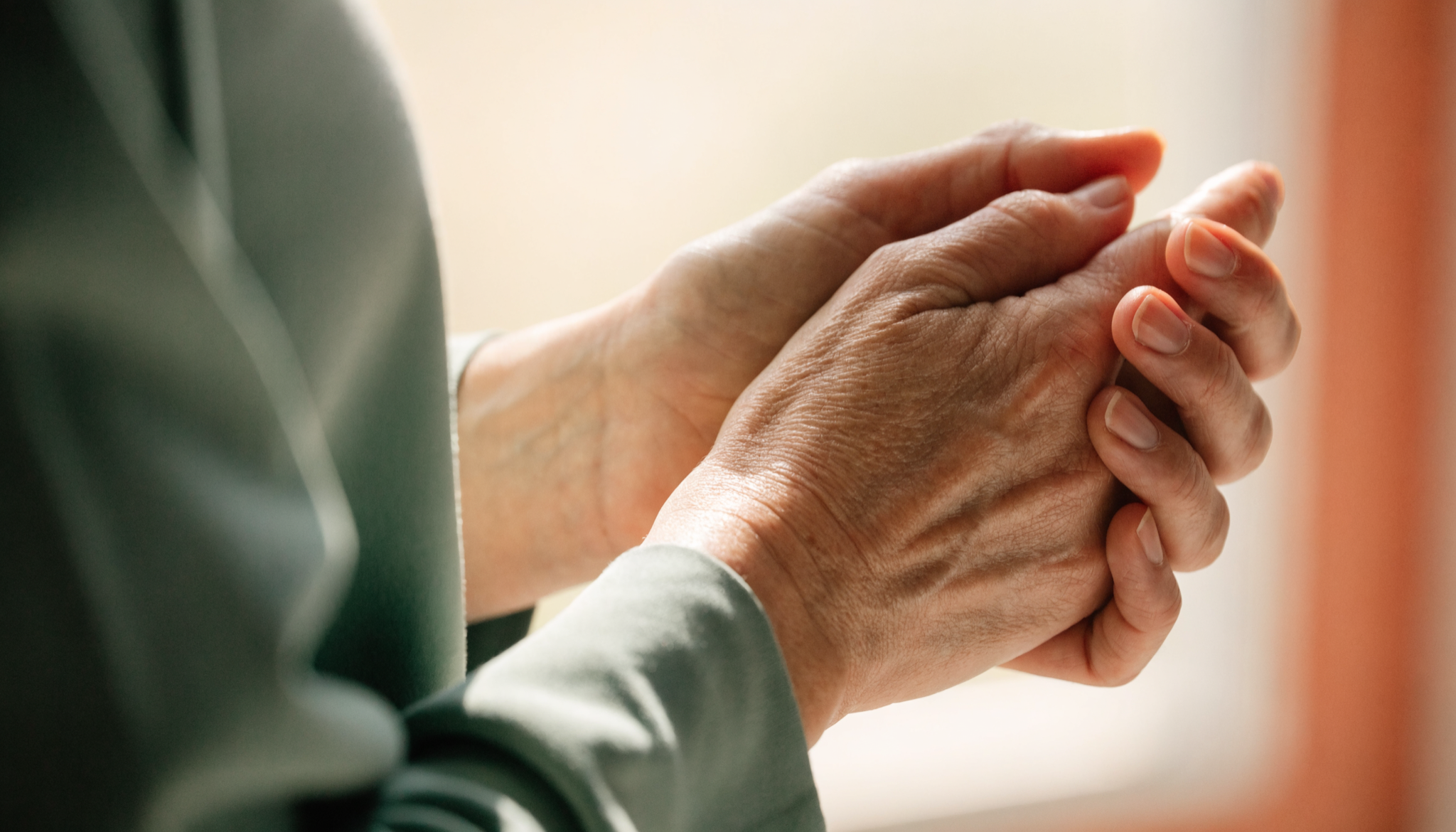
Joint pain is a common but often overlooked menopause complaint. When your estrogen levels fall, your joints lose part of their natural, anti-inflammatory protection. As a result they can feel stiff and painful, usually most noticeably in the morning and often in your hands, knees, neck and shoulders. The good news: there is a lot that can help, from targeted movement to addressing the hormonal foundation itself.
In short
- Declining estrogen plays a role in joint pain: the hormone is anti-inflammatory and helps protect cartilage, muscle and bone. When it falls away, joints become more sensitive.
- It is estimated that up to around 70% of midlife women develop joint and muscle complaints, and for about a quarter these complaints are severe.
- Counterintuitively, movement and strength training are the core of the approach, alongside a healthy weight and warmth.
- Menopause-related complaints are not the same as osteoarthritis or rheumatoid arthritis. Persistent, warm or swollen joints belong with a doctor for assessment, not self-diagnosis.
- Hormonal treatment can contribute to less joint pain in some women, but it is not a miracle cure and does not cure the complaints.
Why do you get joint pain during menopause?
Estrogen is more than a reproductive hormone. There are estrogen receptors in your cartilage, muscles, tendons, ligaments and bones, where the hormone acts as a systemic regulator that keeps these tissues healthy and resilient. Estrogen also has an anti-inflammatory effect.
When levels drop during menopause, that protection fades. Inflammatory activity in joint tissue rises, and that can translate into stiff, painful joints. Science now describes this cluster of complaints as the musculoskeletal syndrome of menopause: joint pain, loss of muscle mass, declining bone density and a faster progression of osteoarthritis.
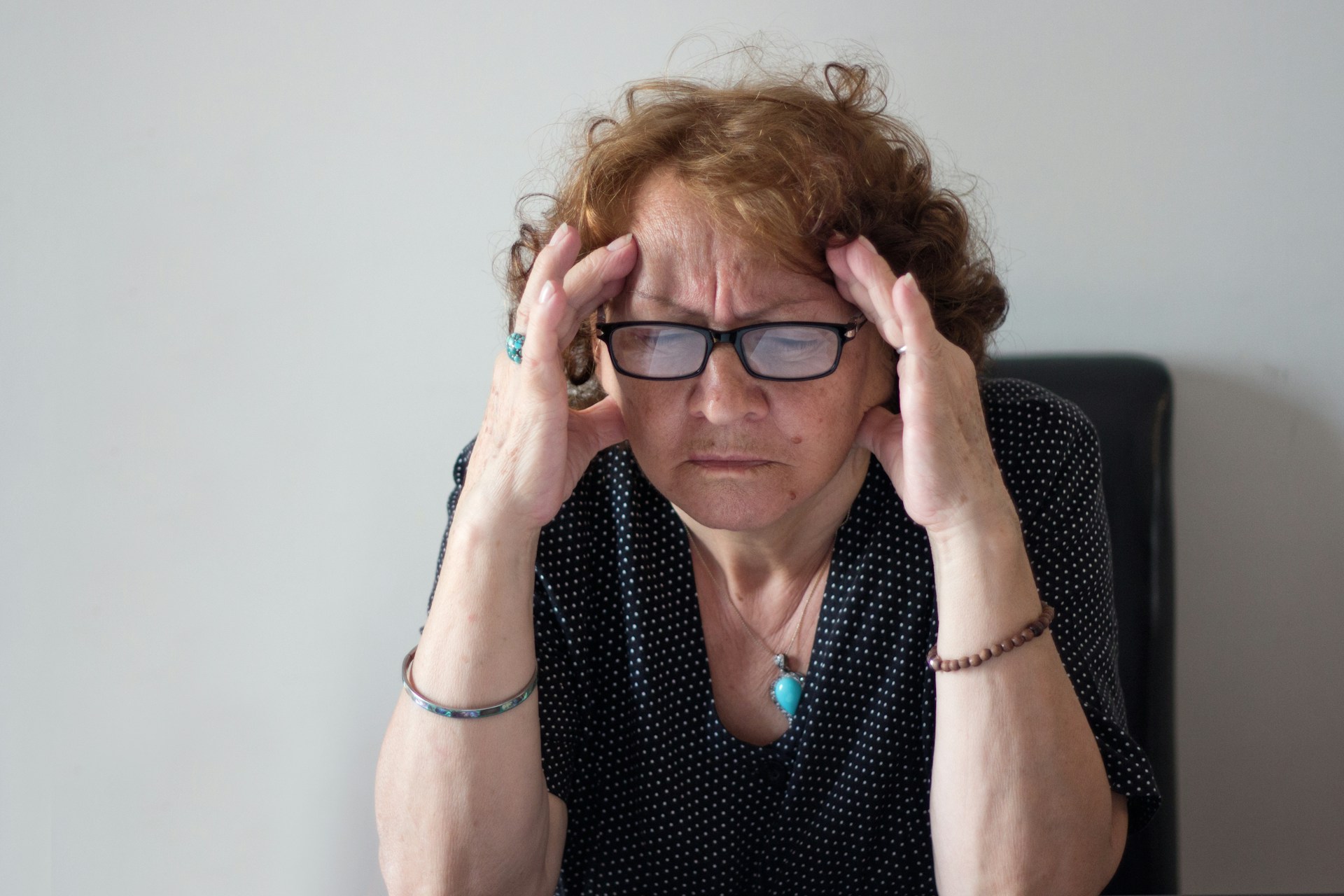
In practice we see a recognisable pattern. The pain is often worst in the morning or after sitting still, usually affects several joints at once, and commonly settles in the hands, knees, neck and shoulders. It frequently runs alongside other menopause complaints such as poor sleep or fatigue.
Is it menopause, osteoarthritis or rheumatoid arthritis?
This is an important question, because the approach differs. Menopause-related joint complaints are usually variable, affect several joints symmetrically and go together with other complaints of menopause. The morning stiffness generally eases within half an hour once you get moving.
In osteoarthritis the cartilage wears down, often in the knee, hip or hands. The pain usually increases with load and over the course of the day, and you may notice cracking or reduced mobility. In rheumatoid arthritis there is an inflammatory disease: a joint can be warm, red and swollen, the morning stiffness often lasts longer than an hour, and the complaints frequently sit symmetrically in the hands and wrists.
These pictures can overlap and cannot be told apart with certainty from your complaints alone. That is why we do not make a diagnosis on this page. If you mainly recognise the picture of inflammation, or if the complaints persist, have it assessed by your GP or one of our doctors. With targeted investigation they can rule out whether something more than menopause is at play.
Wondering whether your joint pain is part of menopause? In our free guide we explain how hormonal changes affect your whole body, including your joints and muscles. Download the free guide →
What really helps? Movement and strength training
It sounds contradictory when you are in pain, but movement is one of the most effective things you can do. Regular movement reduces pain and stiffness and keeps your joints functioning. For osteoarthritis, exercise therapy is even the first choice, with more effect than medication or injections.
Strength training deserves special attention here. Strong muscles around a joint absorb load and support the joint. Strength training also counters the loss of muscle mass and bone density that accelerates during menopause, which makes it a double investment. Two to three times a week is a good guideline. Start gently and build up gradually, if needed with the guidance of a physiotherapist or exercise therapist.
See movement not as a last resort but as a foundation. You can read more about how lifestyle and hormone therapy work together in our separate article.
Weight, warmth and nutrition
A healthy body weight lowers the load on your joints. Especially with knee complaints combined with excess weight, losing weight can noticeably reduce the pain. Warmth, such as a warm bath, a hot water bottle or a warm shower, can temporarily ease stiffness and make moving easier.
With nutrition the guiding principle is: measure first, then supplement. A vitamin D deficiency is common and matters for your bones and muscles, so have your level checked if there is reason to. Omega-3 fatty acids are often mentioned for joint complaints because of their anti-inflammatory action; the evidence is modest and mixed, so view it as a possible addition, not a solution. Preferably take supplements based on measured values and in consultation with a doctor.
Can hormonal treatment help with joint complaints?
Because the fall in estrogen plays a role, the logical question is whether replacing it helps. There are signs pointing in that direction. In the large Women's Health Initiative study, women who used estrogen reported joint pain less often after one year than women on a placebo (76.3% versus 79.2%), a modest but sustained difference. At the same time there was no improvement in joint swelling.
The honest conclusion is therefore nuanced: hormonal treatment can contribute to less joint pain in some women, certainly when it is linked to menopause, but it is not a guarantee and not a miracle cure. At Menovia we therefore look at the whole picture. Joint complaints rarely stand alone and are connected to sleep, inflammation, muscle mass and bone density. What is right for you is something you discuss with a doctor, based on your complaints and blood values. Read more about bio-identical hormone therapy if you want to understand how this works.
When should you see a doctor?
Do not simply wait out the complaints if there are signals that could point to something else. Contact your GP or one of our doctors in case of:
- a joint that is red, warm or swollen
- fever combined with joint pain
- morning stiffness that lasts longer than an hour
- a joint that suddenly becomes severely painful
- complaints that last longer than six weeks or get worse
- night pain, unexplained weight loss or general malaise
These signals do not automatically mean something serious is going on, but they deserve an assessment so that inflammation or another condition is recognised in time.
Frequently asked questions
Is joint pain a normal menopause complaint? Yes, joint and muscle complaints are among the known complaints of menopause, even though they are still often overlooked in care. Normal only means that you do not simply have to live with it.
Does it go away on its own? In some women the complaints ease as the body adapts, but that is not the case for everyone. Movement, weight and, where appropriate, hormonal treatment can favourably influence the course.
Does exercising make my joint pain worse? Usually not, quite the opposite. Movement and strength training built up gradually reduce pain and stiffness over time. If a joint feels warm or swollen, check with a doctor first.
Which supplements help against joint pain? There is no supplement that removes joint pain. Vitamin D in the case of a proven deficiency and possibly omega-3 can contribute, but measure first and align it with a doctor.
Can hormone therapy take away my joint pain? It can contribute to less pain in some women, but it does not remove the complaints in a guaranteed way. Whether it is appropriate depends on your personal situation and is something you discuss with a doctor.
Sources
- Wright VJ, et al. The musculoskeletal syndrome of menopause. Climacteric, 2024. tandfonline.com
- Chlebowski RT, et al. Estrogen alone and joint symptoms in the Women's Health Initiative randomized trial. Menopause, 2013. pubmed.ncbi.nlm.nih.gov
- Thuisarts.nl. Ik heb artrose in mijn knie. thuisarts.nl
- NHG-Standaard Artritis. Dutch College of General Practitioners. richtlijnen.nhg.org
This information is intended as an educational resource and does not replace medical advice, diagnosis or treatment. For complaints or questions about your personal situation, we advise you to consult a doctor.
Free guide: menopause, a broader perspective
The menopause is about more than just hot flashes. In our free menopause guide, our doctors explain the hormonal changes happening in your body, the symptoms you might not immediately associate with it, and the treatment options available. Written in plain language and medically backed.
Read more blogs about the menopause
Menovia
Sign up today