
Menopause and Depression: How Hormonal Fluctuations Affect Your Brain and Change Your Mood

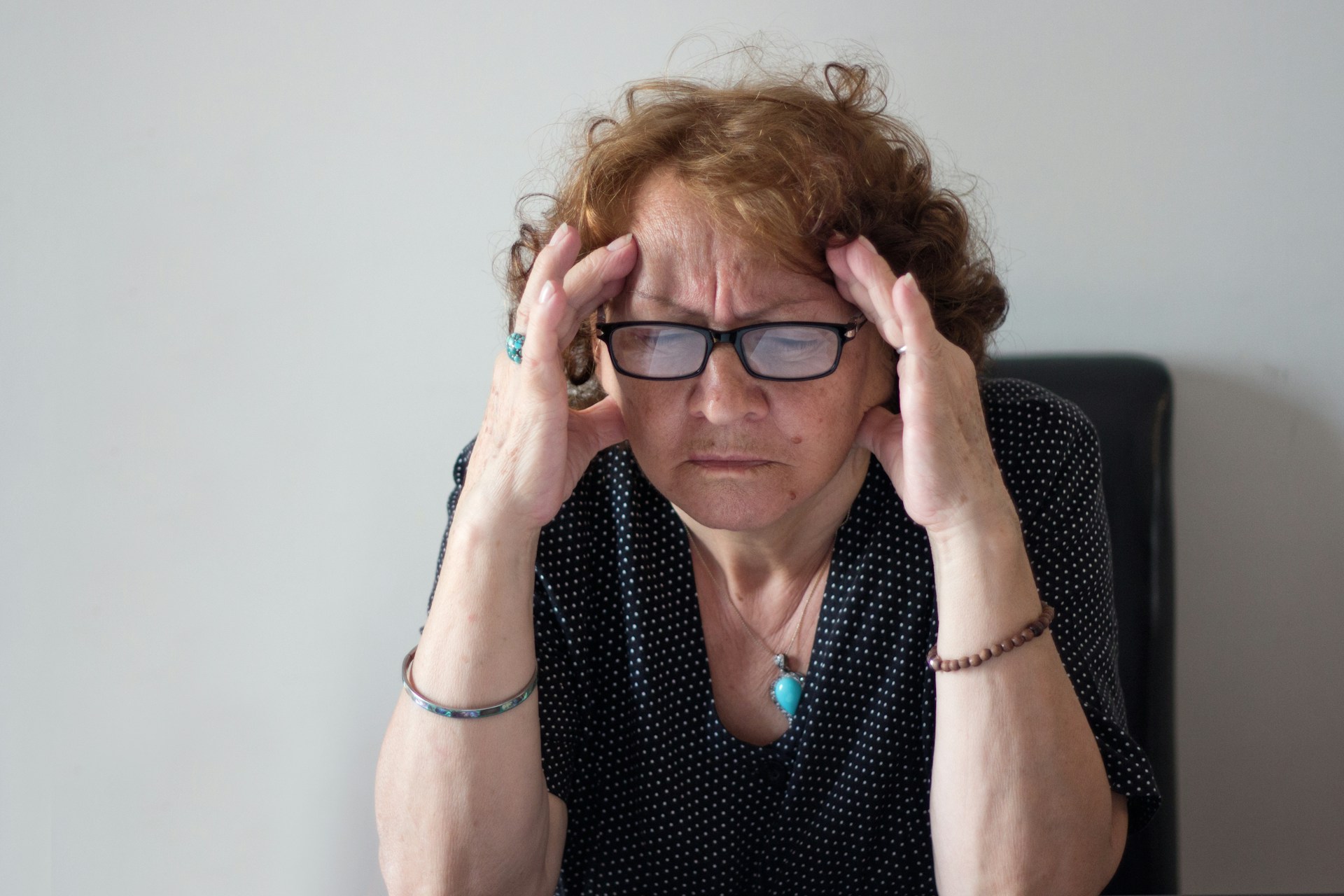
You burst into tears over an advert you would not even have noticed last year. An hour later you are irritated by something small, and by evening you feel flat and low without being able to point to why. You do not recognise yourself anymore. And when you bring it up, too often you are told it is “your age”, or that it “comes with the territory”.
Mood swings, crying spells, irritability and low mood are among the most underestimated symptoms of menopause. They are rarely recognised as hormonal, even though the link with the fluctuating hormone levels of (peri)menopause is well explained. Recognition is the first step: not as a personal weakness, but as a consequence of a far-reaching biological process that deserves proper attention.
In short
Mood swings, crying spells, irritability and low mood are common menopause symptoms. They arise because estrogen and progesterone fluctuate strongly during perimenopause, and both hormones act directly on the production and function of mood-regulating substances in the brain, such as serotonin and GABA. The symptoms are amplified by poor sleep, night sweats, hot flashes and brain fog, which in turn feed one another. Lifestyle can contribute to more stability, and for some women with a clearly hormonal component, hormone therapy may ease symptoms, although it is not a treatment for depression. Important: menopause-related low mood is not the same as clinical depression. If the low mood persists, if you lose interest in almost everything, or if you have thoughts of suicide, actively seek help from your GP or, in the Netherlands, from 113 Zelfmoordpreventie (0800-0113, free, day and night), or your local crisis line.
Why does menopause cause mood swings, crying spells and low mood?
The core lies in the hormones themselves. During perimenopause the ovaries produce estrogen and progesterone increasingly irregularly. It is not only the decline that matters, but above all the fluctuation: levels can rise sharply and drop away again within days.
That fluctuation affects your mood directly. Estrogen influences the production and breakdown of serotonin and dopamine, two substances that help determine your mood, motivation and emotional resilience (Menopause Society, 2022). When estrogen levels move erratically, that system moves with them. Progesterone works through a different route: in the brain it is converted into allopregnanolone, a substance that acts on the GABA receptors, the same calming system that sleep medication works on. When the progesterone level drops away, part of that natural calming signal falls away too, and that can show up as restlessness, irritability and a shorter fuse.
Cortisol, the main stress hormone, can move along as well. Estrogen helps keep the cortisol response normally dampened; when estrogen becomes erratic, the stress reaction can get going faster and more forcefully, which can amplify feelings of tension and unrest. On top of that, the loss of the calming action of estrogen and progesterone can stir up feelings of anxiety. Some women experience sudden unrest or panicky moments, and a hot flash can feel like a panic attack, complete with heart palpitations.
In practice we see that women who were more sensitive to hormonal mood shifts earlier in life, for example around their period or after childbirth, more often experience them again during perimenopause. That is not a weakness; it is a biologically recognisable pattern.
What is the connection with poor sleep, hot flashes and brain fog?
In menopause, mood rarely stands on its own. The symptoms reinforce one another in a loop that puts your mood under further pressure.
- Sleep: night sweats and hot flashes interrupt your night's rest, often without you fully waking. Chronic sleep loss makes you more irritable, lower in mood and less able to cope emotionally.
- Hot flashes: frequent vasomotor symptoms during the day and at night cost energy and concentration, and so wear down your mood.
- Brain fog: forgetfulness and concentration problems (up to 60% of women experience cognitive symptoms in menopause; Maki, Menopause 2015) feed uncertainty and frustration, which deepens the low mood.
The result: your mood is not only the direct outcome of hormone fluctuations, but also of the accumulated exhaustion around them. That is exactly why we look at the whole picture and not at one symptom in isolation. You can read more about the broader mental side on mental symptoms in menopause.
Who is at greater risk?
Mood symptoms in menopause do not affect everyone equally. A number of factors are associated with a greater chance of symptoms in this phase:
- Women who previously went through a depression, postnatal depression, or severe PMS or PMDD. This points to a greater sensitivity to hormonal fluctuations, and is not a weakness but a recognisable pattern.
- Women who are dealing at the same time with major life changes, such as caring for relatives, an empty nest, pressure at work or tension in relationships. Menopause often coincides with a stage of life that already asks a great deal in itself.
- Lifestyle factors such as little exercise, irregular eating or a lot of alcohol can put the balance under further pressure and amplify symptoms.
If you recognise yourself in this, that is not in itself a reason for worry, but it is a reason to take your symptoms seriously and to seek help where needed.
What can help with mood swings and low mood?
There is no single remedy that solves everything, but there are several points of leverage that together can make a difference.
Lifestyle as the foundation. Regular exercise, particularly strength training and daily walks, can contribute to a more stable mood. A stable blood sugar (enough protein, fewer fast sugars), good sleep hygiene and limiting alcohol and caffeine can also help, because they affect your sleep and your irritability. For us, lifestyle is the foundation, not a last resort.
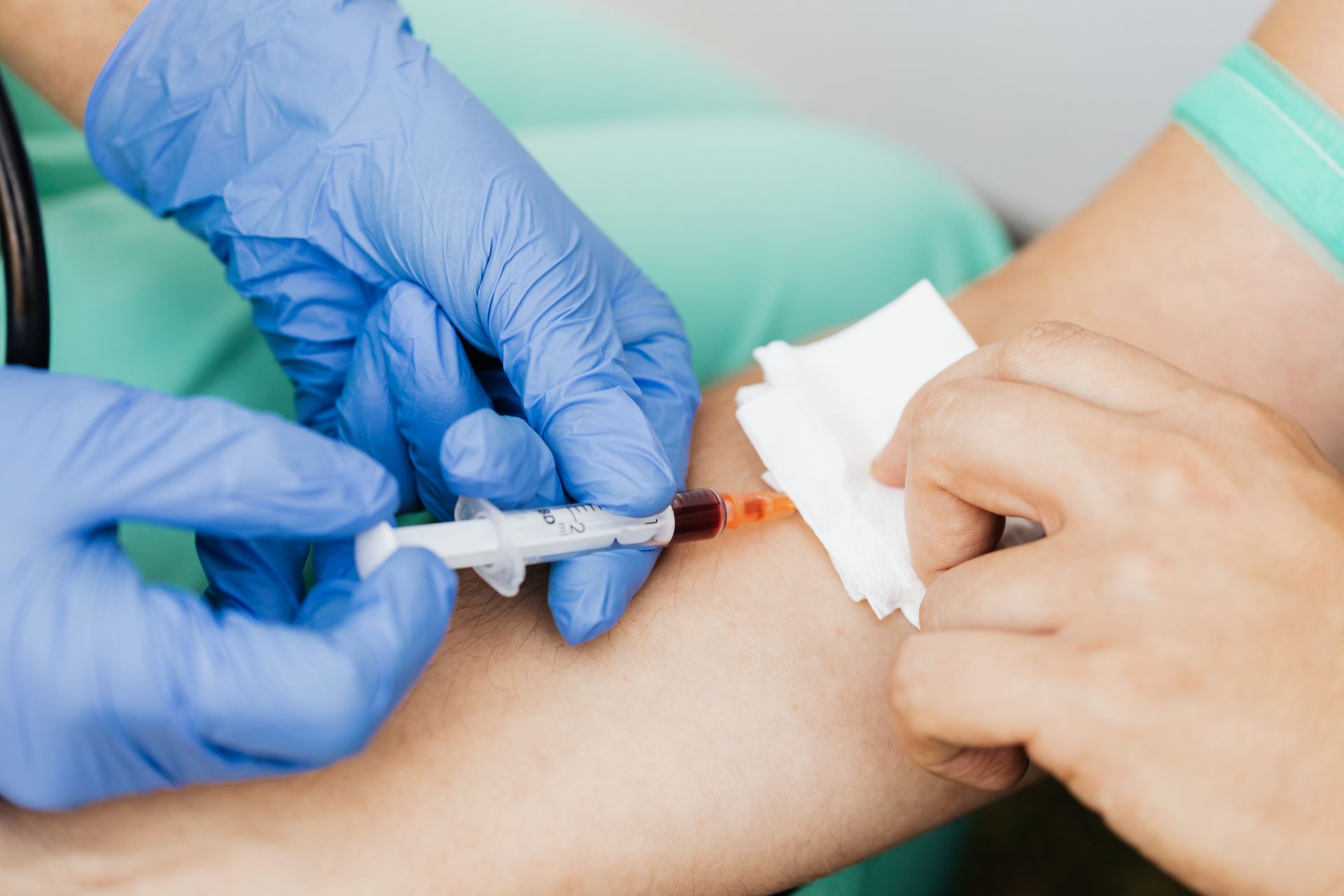
What hormone therapy can and cannot mean here. For women whose mood symptoms are clearly connected to the hormonal fluctuations of perimenopause, stabilising the estrogen level can contribute to fewer swings, and progesterone can play a role in calm and sleep. At the same time, honesty matters here: hormone therapy is not a treatment for depression, and the scientific basis for mood is weaker than that for hot flashes or bone protection (Menopause Society, 2022; NHG-Standaard De overgang). What is appropriate for you depends on your symptom pattern, your history and your blood values, and that is always a decision made together with a doctor.
The role of psychological support. Talking to a psychologist or following cognitive behavioural therapy can help you cope better with the symptoms, and is sometimes the more appropriate route, certainly where there is persistent low mood. Hormonal and psychological support do not exclude one another; often they work best alongside each other.
When should you seek help?
Mood swings and the occasional crying spell are part of menopause and are not in themselves a reason for worry. But menopause-related low mood is not the same as depression, and the difference matters.
Actively seek help, for example from your GP, when you recognise one or more of these signs in yourself:
- The low mood persists, for longer than roughly two weeks, on almost every day.
- You lose interest or pleasure in almost everything, including things you normally enjoy.
- Your daily functioning is affected: work, relationships, the household, self-care.
- You structurally sleep or eat far too much or too little, or you feel worthless or guilty without a clear reason.
And with emphasis: if you have thoughts of death or of suicide, do not wait. Contact your GP straight away (also in the evenings and at weekends via the out-of-hours GP service), or, in the Netherlands, 113 Zelfmoordpreventie: call free and anonymously on 0800-0113, day and night, or chat via 113.nl. If you are outside the Netherlands, contact your local crisis line or emergency services.
Having your symptoms taken seriously is not an overreaction. Too many women are told it “comes with the territory”, while appropriate help is available.
Frequently asked questions
Are crying spells a normal part of menopause?
Yes. Crying spells and emotional sensitivity are common and are connected to the fluctuating estrogen and progesterone levels. They are a recognisable menopause symptom and say nothing about your resilience. If they persist or come together with lasting low mood, have them assessed.
What is the difference between menopausal low mood and depression?
Menopausal low mood often fluctuates along with other symptoms such as sleep and hot flashes, and varies from day to day. In depression the low mood is persistent (weeks), you lose interest in almost everything, and your daily functioning is clearly disrupted. If you are in doubt, discuss it with your GP.
Can hormone therapy improve my mood?
Where there is a clearly hormonal component, stabilising your hormone levels can contribute to fewer mood swings. Hormone therapy is, however, not a treatment for depression, and the evidence for mood is weaker than for hot flashes. Whether it is appropriate is something you decide together with a doctor.
Is the risk of depression greater during menopause?
Perimenopause is a period of increased vulnerability: the risk of a depressive episode can increase in this phase, and is higher in women who previously went through a depression (Cohen et al., Arch Gen Psychiatry 2006). That is a reason to take symptoms seriously, not a reason to worry without cause.
Does lifestyle really help with mood symptoms?
Lifestyle does not solve everything, but exercise, stable blood sugar, good sleep and less alcohol can contribute to more stability. In practice it usually works best in combination with, not instead of, other support.
Summary
Mood swings, crying spells, irritability and low mood are part of menopause and are well explained by the fluctuating estrogen and progesterone levels, which act directly on your mood system. Poor sleep, hot flashes and brain fog amplify the symptoms. Lifestyle can contribute to more stability, and where there is a clearly hormonal component, hormone therapy may ease symptoms, although it is not a treatment for depression. The most important distinction is the one between menopausal low mood and clinical depression. If the low mood persists, if you lose interest, or if you have thoughts of suicide, seek help from your GP or from 113 Zelfmoordpreventie (0800-0113), or your local crisis line.
This information is intended as an educational resource and does not replace medical advice, diagnosis or treatment. For symptoms or questions about your personal situation, we recommend you consult a doctor.
Free guide: menopause, a broader perspective
The menopause is about more than just hot flashes. In our free menopause guide, our doctors explain the hormonal changes happening in your body, the symptoms you might not immediately associate with it, and the treatment options available. Written in plain language and medically backed.
Read more blogs about the menopause
Menovia
Sign up today