Muscle pain during menopause: causes and relief
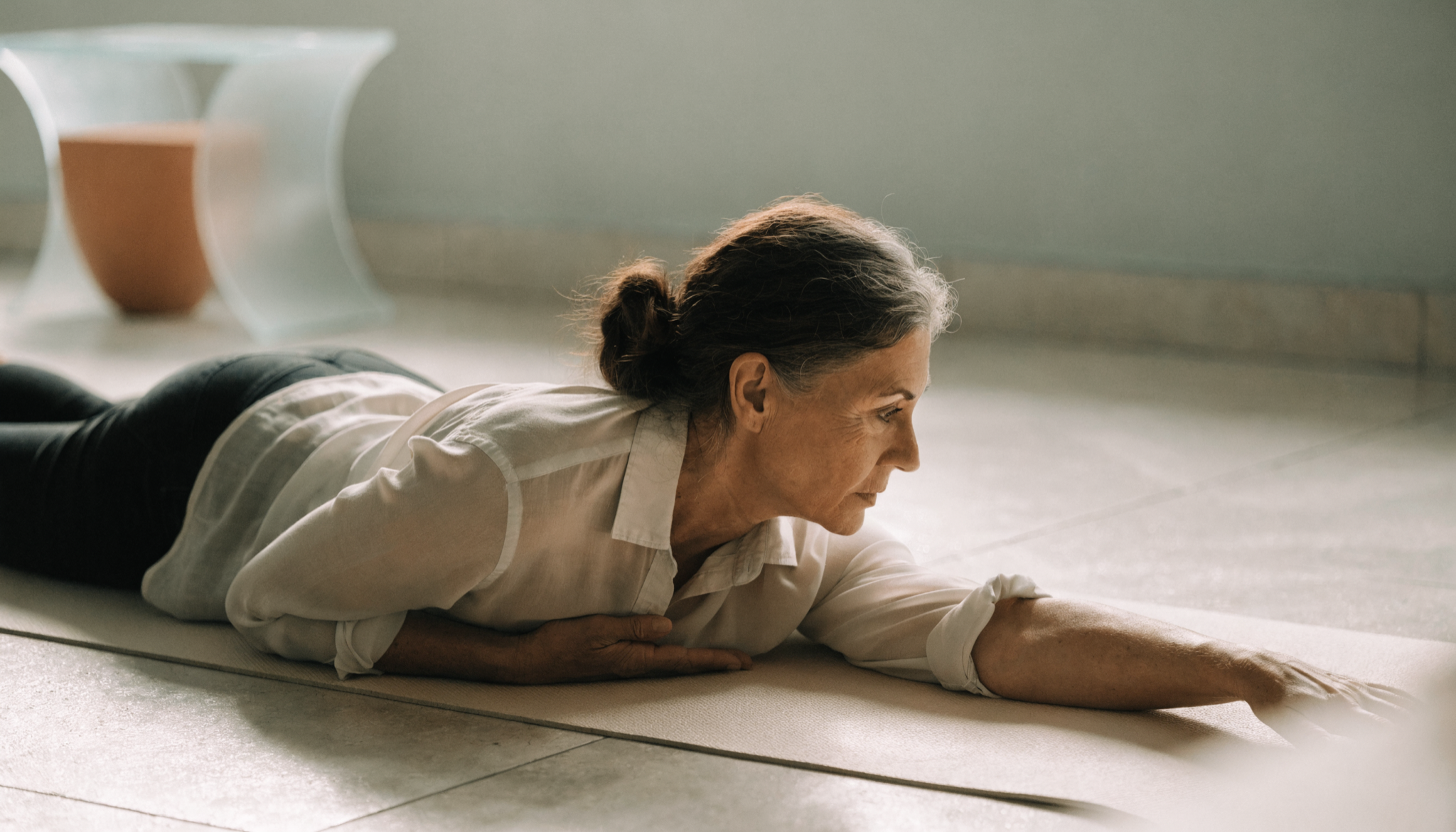
Muscle pain and stiff, tender muscles are among the complaints many women notice during menopause. The main cause is the decline in oestrogen: this hormone plays a role in calming inflammation, in muscle repair and in maintaining muscle mass. When levels fluctuate and fall, muscles become more sensitive, recover more slowly and gradually lose mass. In most cases the complaints respond well to movement, enough protein and attention to sleep and vitamin D.
In short
- Oestrogen helps calm inflammation and repair muscle tissue. As it declines, muscles become more sensitive and recover more slowly.
- Muscle and joint complaints are common in menopause. In studies more than 70 percent of women report them.
- Muscle pain (spread through the muscles) is not the same as joint pain (in or around a joint), but the two often occur together.
- Strength training with enough protein is the best-supported approach in practice. Sleep, stress and a vitamin D deficiency all play a part.
- Persistent, one-sided or severe pain, or pain with swelling, fever or loss of strength, needs assessment by a doctor.
Why does menopause cause muscle pain?
At the core is the fall in oestradiol, the main form of oestrogen. This hormone acts not only on reproduction but also on muscles, tendons, cartilage and bone. Oestrogen receptors sit in all of these tissues, which is why a decline can be felt in several places at once. Many women describe the pain as spread across the body rather than in a single muscle.
Oestrogen helps regulate inflammatory responses. As levels fall, the body shifts toward a slightly more inflammation-prone state, with higher activity of signalling molecules such as IL-6 and TNF-alpha. That can lower the threshold for muscle and joint pain. Oestrogen also stimulates collagen production, which keeps tendons and connective tissue strong and supple, and it supports the repair of muscle tissue after exertion.
Muscle mass changes as well. From perimenopause onward, muscle mass can decline faster, and oestrogen deficiency appears to accelerate this process (sarcopenia). In studies some women lose a substantial share of their muscle mass around menopause. Less muscle means everyday loads feel heavier, which can add to pain and stiffness. We note honestly that the Dutch NHG guideline on menopause states that the evidence for a direct link between menopause and muscle and joint complaints is still limited. The complaints are real and common, but the research is not yet settled.
What is the difference between muscle pain and joint pain?
Muscle pain sits in the muscle itself. You feel an aching, tired or tender sensation, often in larger muscle groups such as the thighs, shoulders, neck and back, and sometimes stiffness after rest. Joint pain (arthralgia) sits in or around a joint, more often in the smaller joints such as the hands, and tends to come with morning stiffness. In practice the two overlap, because the same hormonal shift acts on both muscles and joints. The distinction mainly helps you decide on your approach: muscle complaints usually respond well to gradual movement and strength work, while a joint that stays swollen, warm or painful deserves further assessment.
Why sleep, stress and vitamin D can make muscle pain worse
Muscle pain in menopause rarely stands alone. Poor sleep means less recovery, because muscle tissue repairs during deep sleep in particular. Women who sleep poorly during menopause often find their muscles feel stiffer and more tender the next day. Prolonged stress plays a part too: a high cortisol level encourages muscle breakdown and keeps the pain threshold low.
A vitamin D deficiency is a separate and common cause of muscle pain and weakness that is not driven by hormones, but often occurs in this same phase of life. With a clear deficiency, supplementation can improve muscle function. That makes a vitamin D check a logical first step with ongoing muscle complaints.
Do you recognise yourself in these complaints? Muscle pain is often one piece of the menopause puzzle, and it can help to see the whole picture. In our free guide we explain how the various complaints connect. Download the free guide →
What helps against muscle pain in menopause?
The best-supported approach is strength training combined with enough protein. Strength training is the most effective way to maintain or build muscle mass and strength, and that reduces the load on your muscles in daily life. Build up gently, two to three times a week, and give your muscles time to recover. Protein is the building block: spread your protein intake across the day so your muscles always have material to repair with.
Keep moving as well, even on days when you feel stiff. Gentle movement such as walking, cycling or swimming keeps muscles supple and well supplied with blood. Look for a balance between warmth and rest: a warm shower, a heat pad or a warm bath can ease stiff muscles, while complete rest tends to make stiffness worse. With ongoing complaints, have your vitamin D level checked and supplement if there is a deficiency.
For some women, muscle and joint complaints are part of a broader pattern that also includes hot flushes, poor sleep and mood complaints. In practice we see that treatment with bio-identical hormones can then contribute to relieving the whole picture, as part of a broader care plan. The evidence specifically for muscle pain is limited, and hormone therapy is not a treatment that cures complaints. At Menovia, bio-identical hormones form the core of treatment and lifestyle is an important addition, with strength, protein and recovery as fixed elements.
When should you see a doctor?
Muscle pain in menopause is usually harmless, but not every pain belongs to the hormones. Contact your doctor if one or more of the following apply:
- Pain or swelling in a single joint that is warm or red.
- Clear loss of strength, numbness or weakness in an arm or leg.
- Pain with fever, unintended weight loss, or night sweats that are new or different.
- Persistent pain that does not ease within a few weeks or keeps getting worse.
- Muscle pain that began after starting a new medicine, such as a cholesterol-lowering drug.
These complaints can point to something other than menopause and deserve targeted assessment. In doubt, a consultation is always sensible.
Frequently asked questions
Does muscle pain in menopause go away on its own? For many women the complaints ease over time, but this varies from person to person. Movement, strength and recovery make a noticeable difference and are almost always worthwhile.
Can I keep exercising with muscle pain? Yes, gentle movement is actually good. Only avoid sharp or one-sided pain and build up the load gradually. Complete rest often makes muscles stiffer.
Does hormone therapy help against muscle pain? When muscle complaints are part of a broader pattern, treatment can contribute to relieving the whole. The evidence specifically for muscle pain is limited, and it is not a guarantee.
What is the difference with fibromyalgia? Fibromyalgia causes long-lasting, widespread pain and tenderness throughout the body and is a separate diagnosis. If your pain is severe, persistent or unusual, have a doctor assess it.
Which nutrition helps preserve muscle? Enough protein spread across the day matters most, together with enough vitamin D and movement. A one-sided diet actually encourages muscle breakdown.
Sources
- Wright VJ, Schwartzman JD, Itinoche R, et al. The musculoskeletal syndrome of menopause. Climacteric, 2024. pubmed.ncbi.nlm.nih.gov
- Geraci A, Calvani R, Ferri E, et al. Role of exercise in estrogen deficiency-induced sarcopenia. PMC, 2022. pmc.ncbi.nlm.nih.gov
- Mendez-Sanchez L, et al. Muscle and Bone Health in Postmenopausal Women: Role of Protein and Vitamin D Supplementation Combined with Exercise Training. Nutrients, PMC. ncbi.nlm.nih.gov
- Uwitonze AM, et al. Vitamin D Deficiency in Older Patients: Problems of Sarcopenia, Drug Interactions, Management in Deficiency. PMC. ncbi.nlm.nih.gov
- NHG guideline on menopause (De overgang, M73). Dutch College of General Practitioners. richtlijnen.nhg.org
- Thuisarts.nl. Managing complaints caused by menopause. thuisarts.nl
Deze informatie is bedoeld als educatieve informatiebron en vervangt geen medisch advies, diagnose of behandeling. Bij klachten of vragen over je persoonlijke situatie raden wij je aan een arts te raadplegen.
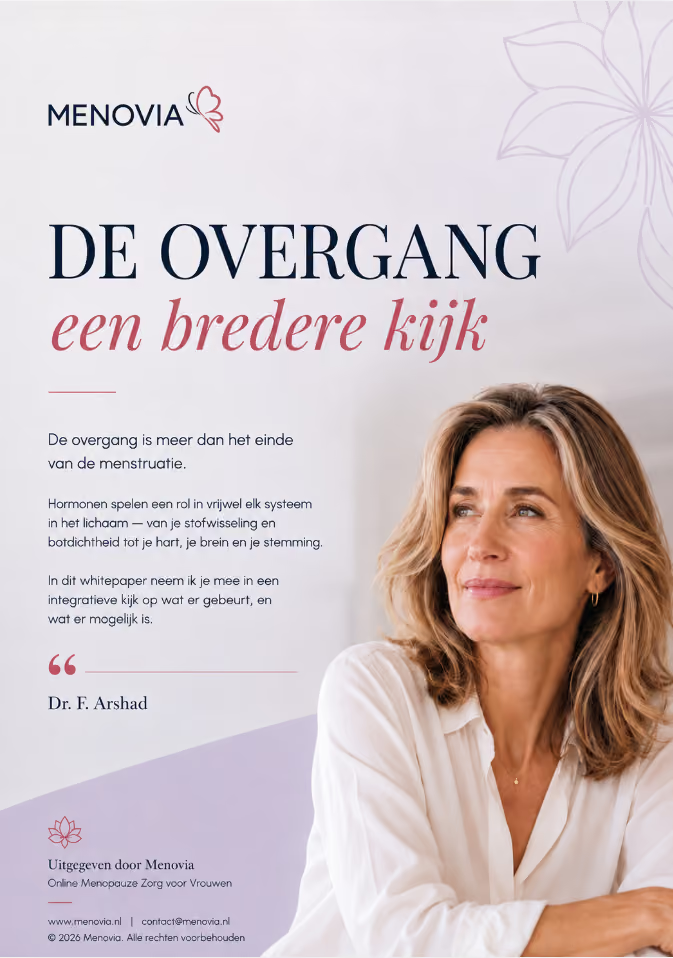
Free guide: menopause, a broader perspective
The menopause is about more than just hot flashes. In our free menopause guide, our doctors explain the hormonal changes happening in your body, the symptoms you might not immediately associate with it, and the treatment options available. Written in plain language and medically backed.
Read more blogs about the menopause
Menovia
Sign up today