
Heart Palpitations in Menopause: Normal or Not?
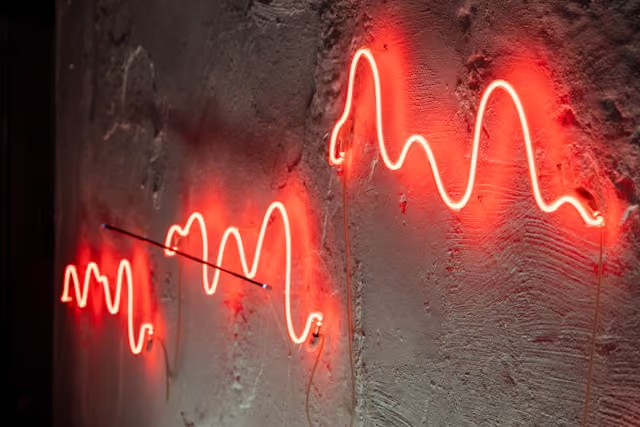
You are lying awake at night and suddenly feel your heart pound, skip, or race. It lasts a moment, and it is gone before you have properly worked out what happened. It gives you a fright, especially when it keeps coming back. Heart palpitations in menopause often feel alarming, but for a large share of women they are tied to fluctuating hormone levels rather than a heart problem. This article explains how to tell the difference, which steps you can take yourself, and, just as importantly, when heart palpitations are not something to wait out.
In short
Heart palpitations in menopause arise as declining and fluctuating estrogen levels affect the autonomic nervous system and heart-rate regulation, often alongside hot flushes and night sweats. For most women they are harmless. Estimates suggest that 20 to 40% of women in perimenopause, and up to more than half after menopause, experience palpitations. Even so, persistent palpitations always deserve a doctor's attention, particularly alongside thyroid complaints: have your TSH checked (target range 0.4 to 4.0 mU/L) and combine that with blood testing for hormone levels, as Menovia offers as standard within its diagnostic programme. And note this clearly: if palpitations occur together with chest pain, pain radiating to your arm or jaw, shortness of breath, or fainting, call your local emergency number (112 in the Netherlands) straight away.
Why this matters
Palpitations are among the menopause complaints that worry women most, and at the same time among the least discussed. An estimated 20 to 40% of women in perimenopause, and up to more than half after menopause, report palpitations, often together with hot flushes and sleep problems. Large-scale research into the menopause transition (the SWAN study) shows that palpitations occur throughout the whole transition and, for most women, do not point to a heart problem.
Part of the cause lies with estrogen: this hormone influences the vessel wall and the electrical conduction in the heart, and when its level fluctuates, that can produce brief changes in heart rhythm. It helps explain why many women notice the complaint precisely around a hot flush or at night.
The difficulty is that palpitations also occur with thyroid problems, anaemia, or anxiety, and those causes often overlap in age with the menopause. Without blood testing, the distinction is hard to make on feeling alone. That is exactly why a structured diagnosis achieves more than waiting and seeing.
What you need
- A diary or app to track the frequency, timing, and duration of the palpitations
- Insight into your cycle or last period date, as a guide to where you are in the transition
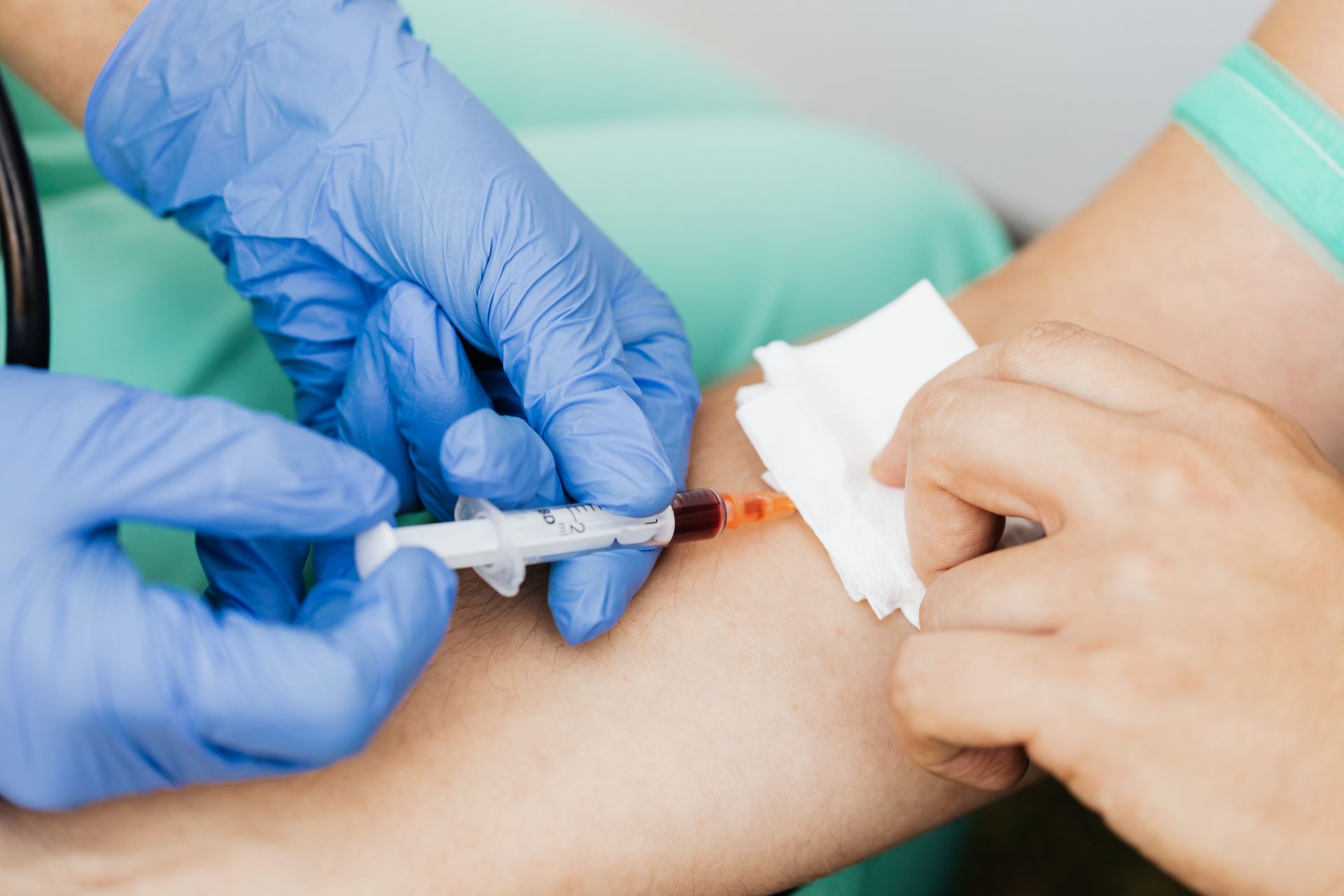
- Blood testing for FSH, estradiol, and TSH (thyroid)
- Possibly a 24-hour heart monitor (Holter) if your GP recommends it
- Access to a provider who can assess hormone levels, lifestyle, and, where appropriate, bio-identical hormone therapy together
The steps
1. Record the pattern
For three to four weeks, note down when the palpitations occur: during the day, at night, after coffee, during stress, or together with a hot flush. This pattern helps a doctor distinguish hormonal fluctuations from other causes. Common mistake: remembering only the worst moments and forgetting to note the mild, frequent episodes, which skews the picture.
2. Have your thyroid included in the blood test
Palpitations and hot flushes feel very similar, but an overactive thyroid (TSH below 0.4 mU/L) often produces the same complaints. So always ask for TSH alongside your hormone values, as also explained in the piece on the thyroid and hot flushes. Common mistake: having only estrogen checked and skipping the thyroid, when the two systems influence each other.
3. Ask for hormone levels, not just FSH
An FSH value above 25 to 30 IU/L points to the transition, but says little about the speed of fluctuation that causes palpitations. Estradiol, and at Menovia also DNA testing and a DUTCH test, give a more precise picture of how your body produces and breaks down hormones. Common mistake: settling for one isolated measurement, when hormone levels can shift within days.
4. Use lifestyle and hormone therapy at the same time
Caffeine, alcohol, and lack of sleep worsen palpitations, but for most women lifestyle change alone does not explain the full complaint. At Menovia, blood values, microbiome analysis, lifestyle advice, and, where indicated, bio-identical hormone therapy are combined into one treatment plan rather than tried one after another. Common mistake: relying on lifestyle alone for months before hormone therapy is seriously considered, when using both together often brings stability sooner.
5. Monitor every 12 weeks
When hormone therapy is started, monitoring comes with it: a monthly consultation, the MRS questionnaire, and blood values reassessed every 12 weeks within the programme run by BIG-registered doctors. This helps prevent under- or overdosing and keeps the treatment matched to what your body needs at that moment. Common mistake: stopping monitoring as soon as the complaints ease, when hormone levels keep shifting during the years around the transition.
6. Evaluate after six months
The full programme lasts at least six months and ends with an evaluation of complaints, blood values, and any adjustment to treatment. At that point it becomes clear whether the palpitations have decreased and whether the chosen approach (Basis, Plus, or Compleet, priced from EUR 75 to EUR 199 per month) still fits. Common mistake: ending the programme early, just before the evaluation, when that final step is exactly what makes the effect measurable.
Troubleshooting
- Palpitations persist despite normal thyroid values: ask specifically about estradiol and FSH; a TSH within range does not rule out hormonal fluctuations from the transition.
- Complaints worsen at night: this is often linked to night sweats and disrupted sleep, which in turn affect heart rhythm; note whether palpitations coincide with hot flushes.
- A panicky feeling with palpitations: telling a hormonal spike apart from a panic attack is hard without measurement; a 24-hour Holter monitor gives objective insight.
- Palpitations after caffeine or alcohol: temporarily cut back on these triggers to see whether the frequency drops, as a complement to blood testing, not a replacement for it.
- Complaints that do not respond to the first adjustment: this is exactly why check-ins every 12 weeks are built into the programme; dosage adjustments or additional lifestyle advice are based on new blood values, not on how you feel.
When are heart palpitations a reason for urgent care?
Most heart palpitations in menopause are harmless. Even so, there are situations in which you should not wait them out. Call your local emergency number straight away (112 in the Netherlands) if palpitations occur together with one or more of these alarm signs:
- pain, or a pressing, tight feeling in the chest that does not ease within a few minutes
- pain radiating to your arm, jaw, neck, back, or upper abdomen
- shortness of breath, or the feeling that you are about to faint
- fainting, dizziness, nausea, sweating, or suddenly turning pale
- palpitations that go on for a long time, do not settle when you sit down quietly for a moment, or come with feeling unwell
Not sure? With heart complaints the rule is: better to call once too often than once too seldom. Menovia is a digital menopause clinic and not emergency care. For these alarm signs you call 112, or outside office hours the GP out-of-hours service (huisartsenpost). If you have recurring palpitations without these alarm signs, discuss them with your GP, also so your heart itself can be checked. This guidance follows Thuisarts.nl and the Dutch Heart Foundation (Hartstichting).
Tools and resources
- A symptom diary (paper or app) for at least three weeks
- Blood testing for FSH, estradiol, and TSH through your GP or through Menovia's intake programme
- The four diagnostic pillars Menovia uses: blood testing, DNA testing, microbiome analysis, and the DUTCH test
- A Holter heart monitor, available through your GP for persistent complaints
- Since May 2026, part of the consultations are reimbursed through supplementary insurance (naturopathic-consultation category), though this varies by insurer and policy; compounded medication, DHEA, and testosterone are not covered
What to do now
If the palpitations persist for longer than a few weeks or occur together with other complaints, the next step is blood testing and a conversation with a doctor who assesses hormonal and thyroid causes together. If they occur together with any of the alarm signs above, do not wait and call 112. If you want to know how long this phase lasts on average and whether your complaints fit that timeline, read the explanation of how long menopause lasts on average.
Frequently asked questions
Are heart palpitations in menopause dangerous?
For most women they are harmless and linked to fluctuating estrogen levels. Persistent or severe palpitations always deserve medical follow-up to rule out thyroid problems or heart-rhythm disorders. If they occur together with chest pain, pain radiating to your arm or jaw, shortness of breath, or fainting, call 112 straight away.
How long do heart palpitations last during menopause?
The duration varies a great deal from woman to woman and depends on how long the hormonal fluctuations last, which is often several years around perimenopause.
Is menopause heart palpitations the same as a panic attack?
No, although they can feel similar: hormonal palpitations usually arise independently of anxiety, while a panic attack often comes with shortness of breath and a sense of impending danger.
Can thyroid problems worsen heart palpitations in menopause?
Yes, an overactive thyroid (TSH below 0.4 mU/L) produces similar complaints and often occurs alongside menopause complaints, which explains why combined blood testing matters.
Does hormone therapy help against heart palpitations in menopause?
For some women, palpitations decrease as estrogen levels become more stable through bio-identical hormone therapy, used alongside lifestyle changes and based on blood values. The evidence for this is still limited, and hormone therapy is not suitable or wanted for everyone. Importantly: your heart should be properly assessed first, before palpitations are attributed to the menopause.
Is the treatment reimbursed?
Since May 2026, part of the consultations are reimbursed through supplementary insurance, depending on your policy; compounded medication, DHEA, and testosterone are excluded.
When should I see my GP about heart palpitations?
For recurring or bothersome palpitations without alarm signs, it is wise to have your heart checked once by your GP; blood testing is then the logical first step. For the alarm signs above (chest pain, radiating pain, shortness of breath, fainting, or palpitations that do not settle), call 112 immediately.
In closing
What many women do not realise: heart palpitations during the transition often peak not during the hot flush itself, but in the minutes afterwards, as body temperature drops again and the autonomic nervous system recovers. Spotting that pattern in a symptom diary gives your doctor a far sharper starting point for diagnosis than a vague “palpitations now and then”.
Related guides
Disclaimer
This article is intended as an educational information source and does not replace medical advice, diagnosis, or treatment. No rights can be derived from its content, and it reflects the state of knowledge at the time of publication. For complaints or questions about your personal situation, we recommend consulting a doctor.
Free guide: menopause, a broader perspective
The menopause is about more than just hot flashes. In our free menopause guide, our doctors explain the hormonal changes happening in your body, the symptoms you might not immediately associate with it, and the treatment options available. Written in plain language and medically backed.
Read more blogs about the menopause

Menovia
Sign up today