
Postmenopause: what changes in your body

Postmenopause begins once you have gone twelve consecutive months without a period. From that moment your estrogen level stays structurally low, instead of fluctuating as it did during the menopausal transition. That changes a number of things for good: your bones, your cardiovascular system, your mucous membranes, your sleep, your skin and your weight. Many of these changes can be managed well if you recognise them in time.
In short
- Postmenopause is not a temporary phase but your new hormonal reality: estrogen stays structurally low.
- The biggest silent risk is bone loss. Women lose on average up to about 10% of their bone mass in the first five years after menopause, and in some this runs higher.
- The risk of cardiovascular disease rises, because the protective effect of estrogen falls away.
- Vaginal dryness and bladder complaints (the genitourinary syndrome of menopause) usually increase rather than ease without treatment.
- Hot flashes, sleep problems and weight gain are real and can be addressed. Blood tests and a conversation with a doctor give direction.
What exactly is postmenopause?
You are postmenopausal once twelve months have passed without a period and there is no other medical cause. That is the internationally used definition. The point itself is something you only recognise in hindsight: you can be sure only after the year has passed.
The difference with perimenopause lies in the hormone pattern. During the transition estrogen swings strongly, with peaks and dips that trigger complaints. In postmenopause that swinging is over and estrogen stays lastingly low. As a result the character of your complaints changes: some, such as hot flashes, can ease over time, while other changes instead continue gradually.
What happens to your bones after menopause?
Your bones lose mass faster after menopause than before, and you do not notice it until there is a problem. Estrogen slows bone breakdown, and when that brake falls away, the loss speeds up. According to the Bone Health and Osteoporosis Foundation, women lose on average up to about 10% of their bone mass in the first five years after menopause. In some women this can rise to around 20% in the first five to seven years.
That makes bone loss the most underestimated change: it does not hurt, but it raises the risk of fractures later in life. What helps to slow the pace: enough calcium and vitamin D, and strength training or weight-bearing exercise a few times a week. If your risk is raised, a doctor may consider a bone density scan and additional treatment. Waiting for a fracture is exactly the wrong order.
Why does the risk of cardiovascular disease increase?
Before menopause your own estrogen offers some protection against cardiovascular disease. After menopause that protection largely falls away, and research shows that risk factors such as higher blood pressure, less favourable cholesterol values, more abdominal fat and reduced insulin sensitivity become more common. This is a shift in risk, not an inevitable outcome.
In practice this means lifestyle and check-ups carry more weight. Having your blood pressure, cholesterol and blood sugar measured, not smoking, moving enough and paying attention to nutrition remain the foundation. In the Netherlands, hormone therapy is not prescribed to prevent cardiovascular disease. Discuss your personal risk with a doctor.
Do you want to understand what changes in your body over the long term? Our free guide can help you see menopause and the period after it in a broader context, so you can approach the conversation with a doctor more purposefully. Download the free guide →
What changes in the vagina, bladder and mucous membranes?
Because of the low estrogen level, the mucous membranes of the vagina and bladder become thinner, drier and less elastic. Together these complaints are called the genitourinary syndrome of menopause. Think of vaginal dryness, itching, pain during sex and needing to urinate more often or more urgently, sometimes with recurring bladder infections.
Unlike hot flashes, these complaints usually do not go away on their own. They are progressive without treatment and tend to increase rather than ease when left unaddressed. That is important to know, because these complaints in particular often go undiscussed, while good treatments exist for them, including local estrogen therapy. Talking it through with a doctor is worthwhile.
What happens to your sleep, skin, weight and mood?
The lower hormone levels also affect your sleep, skin, weight and mood. Lower estrogen and progesterone values influence sleep directly, so you sleep less deeply and more restlessly. Night sweats can add to this. A steady rhythm, less caffeine after midday and a cool bedroom are a start; for persistent complaints you can read what helps with sleep problems in menopause.
Your skin becomes drier and thinner because collagen production declines. Weight gain comes partly from a slower metabolism and a shift of fat storage towards the abdomen. Nutrition and exercise remain the foundation; for something more concrete you can read what you can do about weight gain during menopause. Mood swings and brain fog are part of this picture too and deserve to be taken seriously, not laughed off.
Can hormone therapy help with this?
For persistent complaints, hormone therapy can help. Bio-identical hormones top up the estrogen and progesterone levels that stay structurally low after menopause, and may contribute to reducing hot flashes, sleep problems and bone loss. At Menovia, bio-identical hormone therapy forms the core of the treatment, with lifestyle as a complement. Whether it suits you is something a BIG-registered doctor decides together with you, based on your complaints, your health and blood tests.
The safety of hormone therapy is more nuanced than is often thought. The much-discussed WHI study looked at older women at the time (on average around 63 years old) with a specific, synthetic combination, which differs from bio-identical therapy started early in postmenopause. In the large French E3N cohort study, bio-identical progesterone combined with estrogen showed no significantly raised breast cancer risk, whereas synthetic progestogens did. Every treatment has advantages and disadvantages; a doctor weighs these for your situation. If you want to address hot flashes specifically, you can also read what science says helps against hot flashes.
When to see a doctor
Some signals should always be assessed medically, even if you think they belong to menopause. Contact your GP or a doctor in case of:
- Vaginal bleeding after you have gone twelve months without a period. This must always be investigated.
- Heart palpitations that come with chest pain, shortness of breath or dizziness.
- Persistent fatigue, weight change or a restless heart, as this can also point to a thyroid condition.
- Low mood or anxiety that gets in the way of your daily life.
- Vaginal or bladder complaints that limit your life, such as pain during sex or recurring bladder infections.
Frequently asked questions
When exactly are you postmenopausal? You are postmenopausal after twelve months without a period and no other medical cause. So you can only be sure once that year has passed.
Which changes in postmenopause are lasting? Bone loss and the changes to the cardiovascular system and to the mucous membranes of the vagina and bladder are structural. Hot flashes and night sweats, by contrast, ease over time in some women.
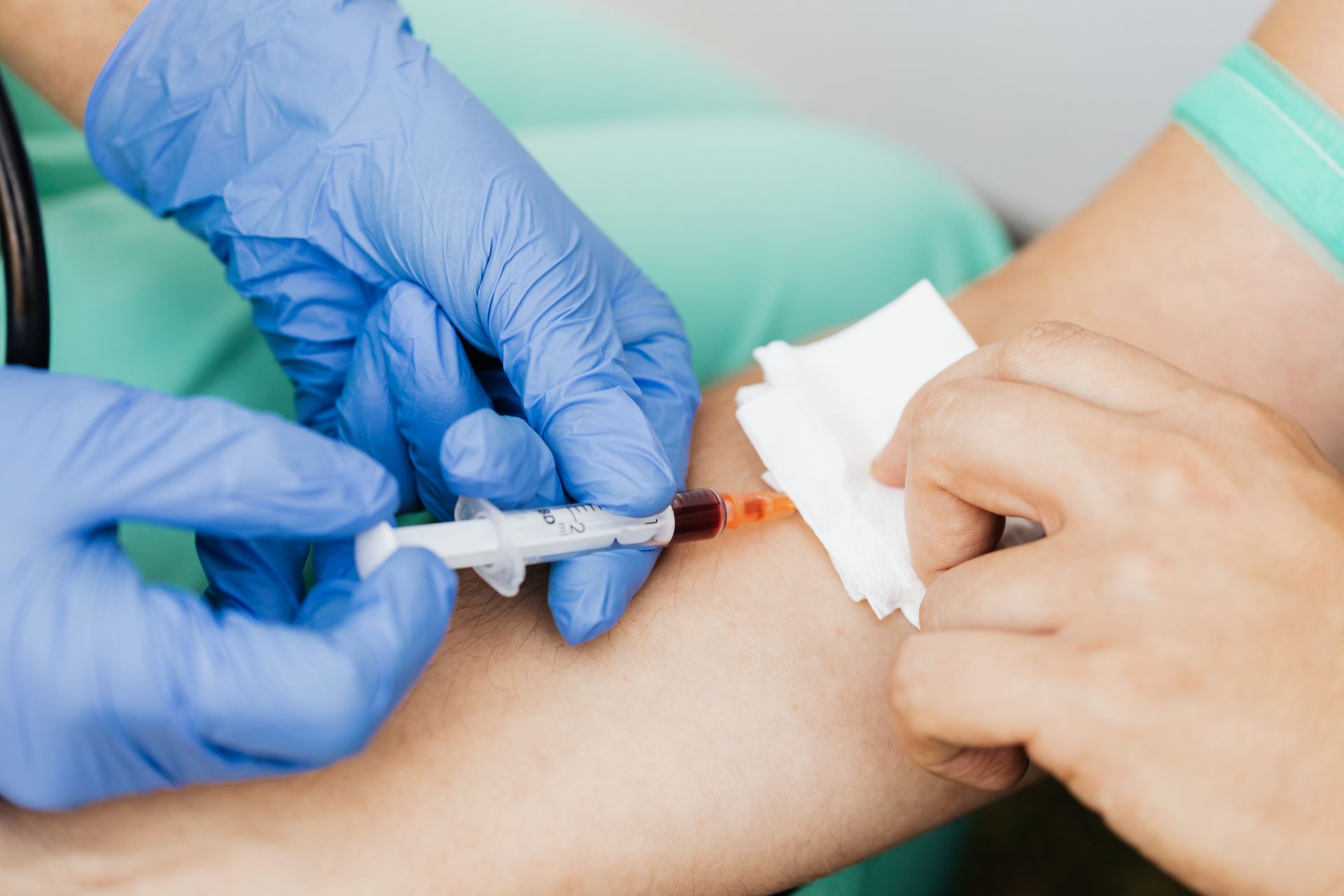
How do I know whether my complaints belong to postmenopause or something else? Complaints such as fatigue, palpitations and weight change overlap with thyroid problems, for example. Blood tests can help tell these apart. You can also read more about the role of the thyroid during menopause.
Can I do anything about bone loss myself? Yes. Enough calcium and vitamin D, strength training or weight-bearing exercise and not smoking help to slow the pace. If your risk is raised, a doctor may consider additional treatment.
Is hormone therapy in postmenopause safe? Under the guidance of a BIG-registered doctor and after careful weighing, bio-identical hormone therapy can reduce complaints, with a different risk profile than the older, synthetic combinations from early research. A doctor weighs the advantages and disadvantages for your situation.
Sources
- Cleveland Clinic. Postmenopause: Signs, Symptoms and What To Expect. clevelandclinic.org
- Bone Health and Osteoporosis Foundation. What Women Need to Know. bonehealthandosteoporosis.org
- Nappi RE, et al. Menopause-associated risk of cardiovascular disease. Endocrine Connections, 2022. ncbi.nlm.nih.gov
- Kim HK, et al. Genitourinary Syndrome of Menopause. StatPearls, NCBI Bookshelf. ncbi.nlm.nih.gov
- Fournier A, et al. Breast cancer risk in relation to different types of hormone replacement therapy in the E3N-EPIC cohort. International Journal of Cancer, 2005. pubmed.ncbi.nlm.nih.gov
This information is intended as an educational resource and does not replace medical advice, diagnosis, or treatment. For complaints or questions about your personal situation, we recommend consulting a doctor.
Free guide: menopause, a broader perspective
The menopause is about more than just hot flashes. In our free menopause guide, our doctors explain the hormonal changes happening in your body, the symptoms you might not immediately associate with it, and the treatment options available. Written in plain language and medically backed.

Read more blogs about the menopause
Menovia
Sign up today