
Tinnitus during menopause: is it a menopause symptom?

Tinnitus (ringing in the ears) is not recognised as an official menopause symptom, and the evidence for a direct hormonal cause is weak and mostly associative. Even so, some women notice the sound starting around the same time as their first hot flashes or sleep problems. Tinnitus is usually multifactorial: hearing, blood pressure, thyroid, stress and sleep often all play a part. Below you can read what is and is not known, and when to see a doctor about it.
In short
- Tinnitus is not on the list of recognised menopause symptoms, and the evidence for a direct hormonal cause is weak and mostly associative.
- The complaint is usually multifactorial: hearing damage, blood pressure and vascular health, thyroid, stress and sleep can all play a role.
- Hormone therapy is not a proven treatment for tinnitus. The research is contradictory: some studies see less tinnitus in users, while others see more hearing problems with longer use.
- Poor sleep and raised stress, both common in menopause, amplify how strongly you perceive tinnitus, regardless of the underlying cause.
- Red flags such as one-sided, pulsating (pulsatile) or sudden tinnitus, sudden hearing loss or dizziness belong quickly with your GP or an ENT specialist.
Is tinnitus a recognised menopause symptom?
No. Tinnitus is not recognised as an official menopause symptom and does not appear on the standard lists of menopause complaints. There are signs that hormones may play a role for some women, but that link has not been firmly established.
The background: oestrogen receptors are present in the hearing pathway and the inner ear, and oestrogen plays a role in the development and maintenance of the hearing pathway. In theory, fluctuating hormone levels could therefore influence blood flow and signal processing in that area. According to Tinnitus UK, however, the link between tinnitus and menopause is not yet well understood and more research is needed.
Can menopause cause tinnitus? What does the research say?
The honest answer is: possibly, in some women, but the evidence is weak and mostly associative. A few studies found that women with tinnitus had lower average oestrogen levels than women without, which suggests a protective role for oestrogen. That is a link, not a proven cause.
What is missing is good research into how many women actually develop tinnitus because of menopause itself. Most tinnitus research focuses on hearing damage, cardiovascular health and stress, not on hormonal shifts around menopause as a factor in their own right. That makes the menopausal contribution hard to quantify.
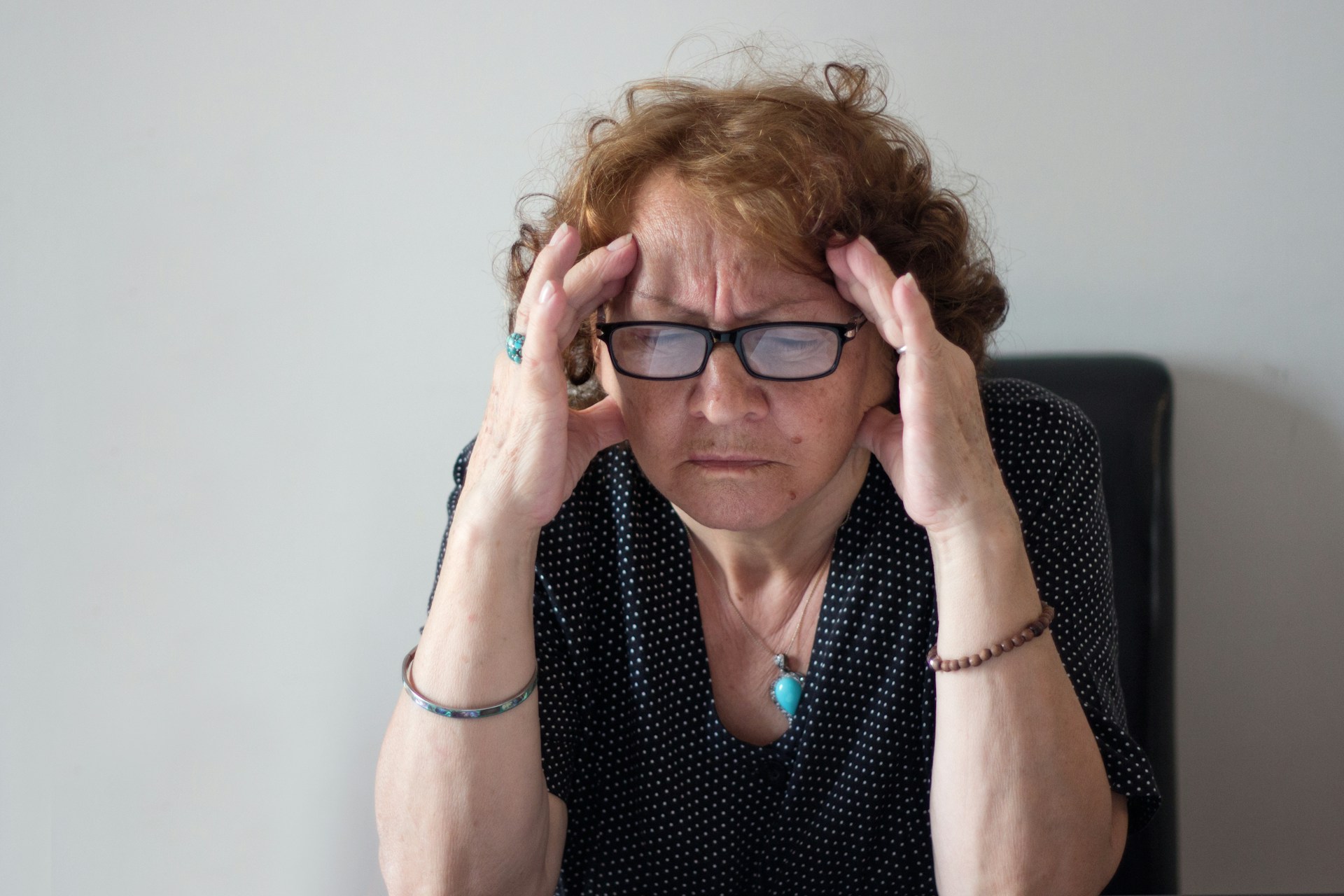
What is well established is that disturbed sleep and raised stress, two complaints that often occur together during menopause, can amplify how you perceive existing tinnitus. The sound itself does not necessarily change, but you notice it more strongly and it bothers you more.
Does hormone therapy help against tinnitus?
There is no reliable evidence that hormone therapy resolves tinnitus, and the research contradicts itself. One large national cohort study found less tinnitus in women using hormone therapy. Other data from the Nurses Health Study point the other way: longer use of oral hormone therapy was associated with a higher risk of hearing loss, and in some studies hormone therapy has been linked to more rather than less tinnitus.
In short: hormone therapy is not a treatment for tinnitus in itself, and we do not use it for that. A broader menopause programme can improve complaints such as sleep problems and stress, and in practice we see that better sleep can help with how you experience the sound. That is different from removing the tinnitus.
Do you suspect your tinnitus is linked to menopause? Tinnitus rarely comes alone and often ties in with sleep, stress and other complaints that can change around menopause. Download the free guide →
Which other causes often play a part?
Because tinnitus rarely has a single cause, it is wise to first rule out the most common other explanations before pointing to menopause. Consider:
- Hearing loss and hearing damage. Noise damage, age-related hearing loss or a plug of earwax are common causes. A hearing test with an audiologist or ENT specialist can map this out.
- Blood pressure and vascular health. Tinnitus without clear hearing loss is regularly linked to blood pressure and vascular health, factors that can shift around menopause. Read also heart palpitations in menopause.
- Thyroid. An overactive or underactive thyroid can cause complaints that resemble menopause, tinnitus sometimes included. Read more in the role of the thyroid during menopause.
- Stress and sleep. These do not usually cause tinnitus, but they can amplify how you perceive it.
- Lifestyle factors. Caffeine, alcohol and loud noise can temporarily worsen the complaint in some people.
Note: pulsating (pulsatile) tinnitus, or tinnitus that comes with dizziness and fluctuating hearing, can point to a specific cause, such as Meniere's disease or a vascular problem. That should be assessed medically.
What can you do yourself about tinnitus?
These measures do not remove tinnitus, but they can help with how you cope with it and how strongly you notice it:
- Add background sound. Complete silence makes your brain focus more sharply on the sound. Soft background noise, for example a fan or nature sounds at low volume, can reduce how strongly you perceive it.
- Work on your sleep. Poor sleep amplifies the complaint during the day. A steady evening routine can help; you will find more tips in sleep problems in menopause.
- Limit caffeine, alcohol and loud noise. See whether cutting back makes a difference for you, and use hearing protection in noisy environments.
- Keep a brief symptom diary. Note when the tinnitus occurs and whether it coincides with hot flashes, lack of sleep or stress. That helps you and your doctor recognise patterns.
When to see a doctor
Tinnitus is usually harmless, but some features call for assessment. Contact your GP if the tinnitus bothers you a lot or if it came on suddenly, for example after an accident, a fall or a blow to the head. Also see a doctor if the tinnitus is in one ear only, or if it comes with other complaints such as ear pain, headache, dizziness or problems with your vision (Thuisarts.nl).
Call your GP or the out-of-hours service straight away if you suddenly develop tinnitus and at the same time suddenly hear worse or cannot hear at all in one ear. According to the NICE guideline, sudden hearing loss, persistent one-sided tinnitus and pulsating (pulsatile) tinnitus should be assessed as a priority. Tinnitus that seriously disrupts your daily functioning is also a good reason to seek help.
Frequently asked questions
Is tinnitus a menopause symptom? Tinnitus is not recognised as an official menopause symptom. There are signs of a hormonal contribution in some women, but that evidence is weak. First rule out hearing loss, earwax and thyroid problems before pointing to menopause as the cause.
Can menopause cause tinnitus? Possibly, in some women, but this has not been proven. It is more likely that menopause does not directly cause tinnitus, but that sleep, stress and changes in blood pressure influence the complaint.
Does hormone therapy help against tinnitus? There is no reliable evidence that hormone therapy resolves tinnitus, and the research is contradictory. We do not use hormone therapy as a treatment for tinnitus. A broader programme can improve sleep and stress, which may soften how you perceive the sound.
Does tinnitus go away on its own after menopause? That cannot be predicted. In some women it eases as hormone levels stabilise, in others it stays. If nothing changes or it worsens, a medical assessment is wise.
Can stress worsen tinnitus during menopause? Yes. Raised stress and disturbed sleep amplify how you perceive tinnitus, regardless of the underlying cause. Rest, routine and soft background sound can often noticeably reduce that amplification.
Is tinnitus in one ear dangerous? One-sided tinnitus, especially if it persists, worsens quickly or comes with hearing loss or dizziness, falls outside the usual pattern and should be assessed by an ENT specialist.
Sources
- Tinnitus UK. Tinnitus and menopause. tinnitus.org.uk.
- Curhan SG, et al. Menopause and postmenopausal hormone therapy and risk of hearing loss. Menopause, 2017. pubmed.ncbi.nlm.nih.gov.
- Yeh C-H, et al. Hormone replacement therapy decreases the risk of tinnitus in menopausal women: a nationwide study. ncbi.nlm.nih.gov.
- NICE. Tinnitus: assessment and management (NG155). National Institute for Health and Care Excellence. nice.org.uk.
- Thuisarts.nl. I have tinnitus (ringing in the ears). thuisarts.nl.
This information is intended as an educational resource and does not replace medical advice, diagnosis, or treatment. For complaints or questions about your personal situation, we recommend consulting a doctor.
Free guide: menopause, a broader perspective
The menopause is about more than just hot flashes. In our free menopause guide, our doctors explain the hormonal changes happening in your body, the symptoms you might not immediately associate with it, and the treatment options available. Written in plain language and medically backed.
Read more blogs about the menopause

Menovia
Sign up today