
When Does Menopause Start: Recognising the First Signs
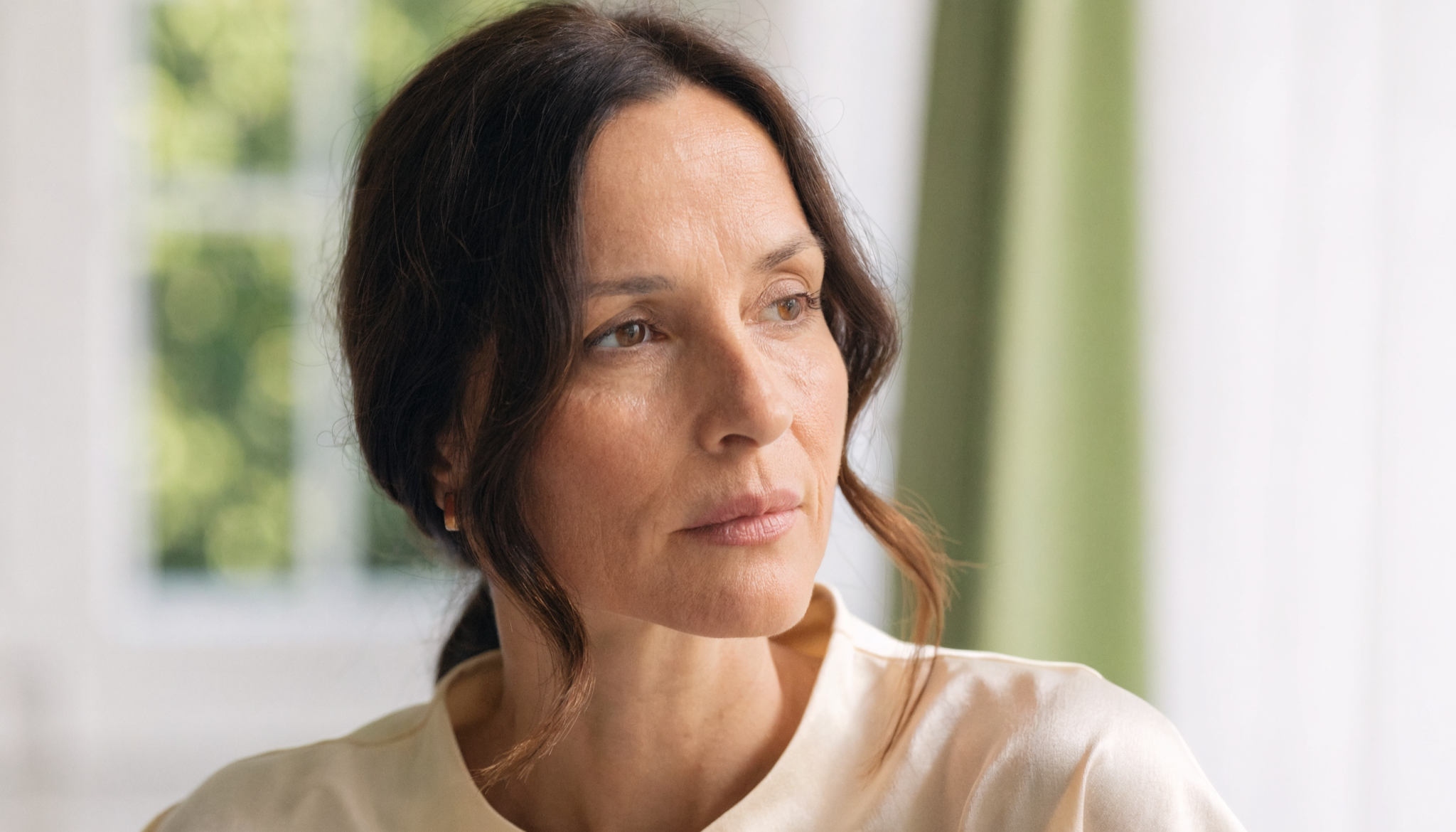
For most women the menopause transition begins between the ages of 40 and 50, on average around 45. This beginning is called perimenopause: the years in which your hormones start to fluctuate while you are still menstruating. The first signs are usually a changing cycle, together with issues such as poorer sleep, hot flushes, mood swings and brain fog. Your final period, the actual moment of menopause, follows on average around age 51.
In short
- Perimenopause, the start of the transition, begins for most women around age 45, sometimes in the years before.
- The first sign is often a changing menstrual cycle: shorter, irregular or with skipped periods.
- Other early complaints can include hot flushes, night sweats, poor sleep, irritability and brain fog.
- No single test proves the start. The FSH level in your blood fluctuates strongly; your complaints and your cycle together form the picture.
- Complaints before age 40 can point to early menopause. Discuss this with a doctor.
At what age does menopause start?
The transition is a process that lasts years, not a single moment. For most women the first hormonal fluctuations begin around age 45, although according to Thuisarts.nl it can get underway anywhere between 40 and 60. Your final period follows on average around age 51. Perimenopause, the run-up to it, lasts a few years on average.
There is a wide range between women. Heredity, smoking and certain medical procedures can bring the start forward. About 1 in 100 women reaches menopause before the age of 40. To understand what is actually happening in your body during this phase, read our article on perimenopause.
What are the first signs of menopause?
The earliest sign is usually a change in your menstrual cycle. Often the cycle first becomes a little shorter, and later more irregular, with periods you skip or that are heavier or lighter than you are used to.
Alongside this, these complaints can appear early, sometimes even before your cycle clearly changes:
- hot flushes and night sweats, often mild at first;
- poorer sleep or waking more often;
- mood swings, irritability or low mood;
- brain fog: less sharp concentration or a poorer memory;
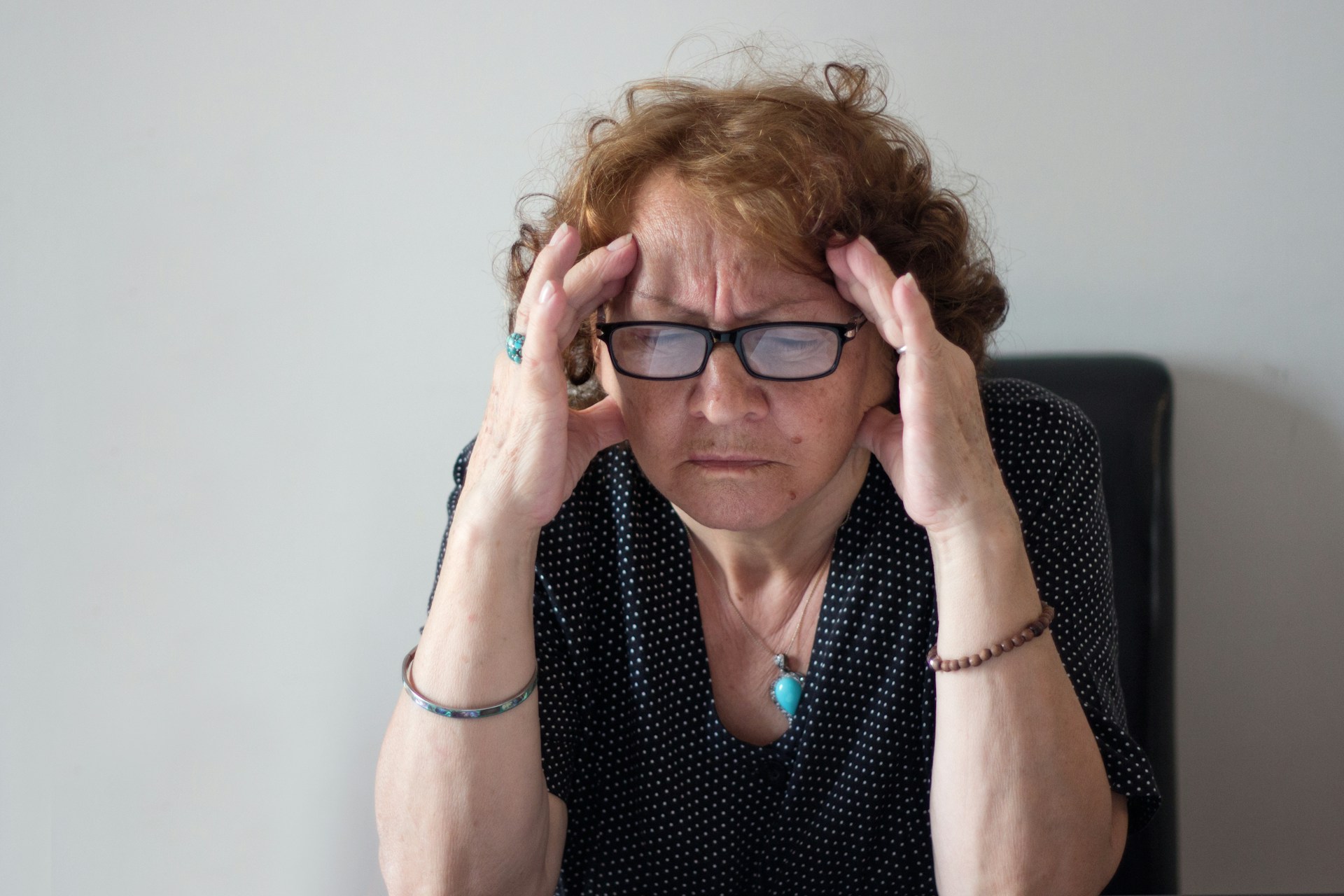
- fatigue, headaches or more sensitive joints.
These complaints vary greatly from woman to woman. One notices her cycle most, another her sleep or mood. In practice we see that women do not always immediately link these signs to their hormones.
Perimenopause, menopause and postmenopause: what is the difference?
These words are often used interchangeably, but they mean different things:
- Perimenopause: the years around your final period in which your hormones fluctuate and the first complaints appear. You are still menstruating.
- Menopause: the moment of your very last period. This is only established afterwards, once you have not menstruated for twelve months.
- Postmenopause: the period after that, in which many complaints can gradually ease.
Want to know which phase you are probably in? Do the quick check.
Do you recognise these first signs in yourself? You can read at your own pace about what changes in your body and how to tell the phases apart in our free guide. Download the free guide →
Can a test show whether menopause has begun?
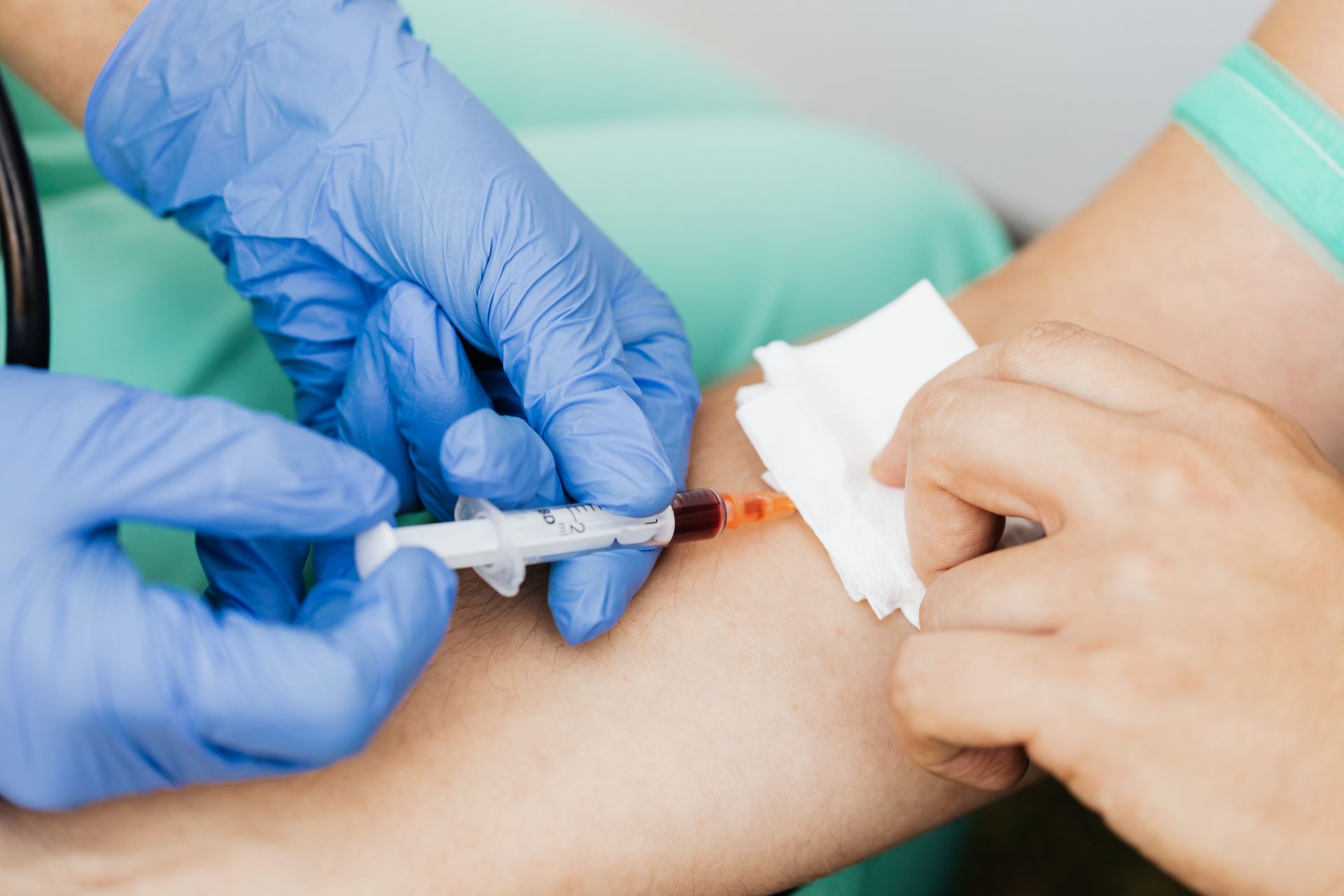
Usually not with certainty. A blood test of the FSH level can be raised, but this value fluctuates strongly from day to day and even within a cycle. A normal result therefore does not rule out the transition, and a raised result does not prove it. According to Thuisarts.nl, a blood test is of little use for establishing whether you are in the transition.
That is why doctors mainly establish the start of menopause based on your age, your cycle and your complaints together. When there is doubt, blood tests can help as an addition, for example to rule out other causes. Read more about what the FSH level does and does not tell you.
When to see a doctor?
The transition is a natural process, but some situations deserve a conversation with a doctor:
- complaints that fit menopause while you are younger than 40; this can point to early menopause;
- heavy, prolonged or very irregular bleeding;
- bleeding after you have not menstruated for twelve months or longer;
- complaints that noticeably affect your daily life, work or sleep;
- low mood that persists or that you are struggling with.
Not sure whether your complaints belong to menopause? Then it is always sensible to have them assessed.
Frequently asked questions
Can menopause begin before age 40? Yes. In about 1 in 100 women the transition begins before the age of 40. Because this is early, it is wise to discuss any complaints with a doctor.
How long do the first complaints last? This varies greatly from woman to woman. Perimenopause lasts a few years on average, and complaints can vary in intensity.
Does an irregular cycle always mean menopause? Not necessarily. Stress, thyroid problems and other causes can also affect your cycle. Your age and the whole picture of your complaints give more direction.
Can I still become pregnant during perimenopause? Yes. As long as you are still menstruating you can become pregnant, even if your cycle is irregular.
Do I need to do something as soon as menopause begins? Not necessarily. Many women have mild complaints. When complaints affect your life, guidance or treatment can help to reduce them.
Sources
- Thuisarts.nl (NHG). I am going through the menopause. thuisarts.nl
- The Menopause Society. Perimenopause. menopause.org
- Cleveland Clinic. Perimenopause. my.clevelandclinic.org
This information is intended as an educational resource and does not replace medical advice, diagnosis or treatment. If you have complaints or questions about your personal situation, we recommend consulting a doctor.
Free guide: menopause, a broader perspective
The menopause is about more than just hot flashes. In our free menopause guide, our doctors explain the hormonal changes happening in your body, the symptoms you might not immediately associate with it, and the treatment options available. Written in plain language and medically backed.

Read more blogs about the menopause
Menovia
Sign up today